Exploring Elephant Wall Art: A Canvas for Creativity
Intro
In a world that often feels increasingly disconnected from nature, art can serve as a vital bridge, weaving together the threads of creativity, cultural heritage, and environmental consciousness. Enter the realm of elephant wall art, where a majestic creature transcends mere representation to embody deeper meanings and narratives. This article navigates the vibrant landscape of elephant-themed canvases, diving into their artistic significance and cultural implications while also emphasizing sustainable practices that fuel this creative journey.
From the intricate brush strokes that breathe life into each artwork to the eco-friendly materials used in their creation, elephant wall art provides a unique lens through which to view not just decoration, but the very essence of art itself. As we explore the various styles that exist in this artistic domain, let us also consider how these works can enhance interior spaces and resonate with our lived environments.
Furniture Design Trends
When placing elephant art within a room, understanding current furniture design trends is essential. Art does not exist in isolation; it interacts with the context of the space, including furniture that surrounds it.
Current Trends in Furniture Design
Today's design world often favors minimalistic aesthetics, with an emphasis on clean lines and functional pieces. However, that doesn't mean one can't have a touch of whimsy or a nod to nature. Consider how mixing the starkness of modern furniture with vibrant elephant wall art can create a captivating contrast.
For instance, sleek, monochrome pieces can provide a blank canvas that allows colorful elephant art to pop. Wood and natural fibers are making a resurgence, bringing warmth and texture to spaces, harmonizing beautifully with the organic lines found in many elephant motifs. The fusion of contemporary and traditional elements in furniture—think a mid-century modern chair paired with a hand-painted elephant canvas—adds personality and intrigue.
Influential Designers and Their Styles
Among the key designers shaping contemporary furniture trends, names like Kelly Wearstler and Philippe Starck stand out. Each has a flair for combining bold patterns with unique materials, echoing the essence of elephant art which often represents cultural narratives and raw beauty. Through their work, these designers can inspire homeowners and decorators alike to think outside the box.
Sustainable Practices in Furniture
With a growing awareness in the art and design community regarding environmental issues, sustainable practices have become not just a trend, but a necessity.
Eco-friendly Materials and Techniques
The choices made in furniture design significantly impact the art world as a whole. From reclaimed wood to recycled metals, the materials we use speak volumes about our values. More artists are opting for paints and finishes that are non-toxic and sustainably sourced. The art of creating can go hand in hand with preserving the earth's resources.
Benefits of Sustainable Furniture Choices
Not only do sustainable options support ecological preservation, but they also foster a sell-unique aesthetic. Buyers today are often discerning, looking for pieces that reflect their values. Incorporating sustainable furniture alongside elephant wall art allows decorators to create spaces that are both beautiful and responsible. The shift towards eco-consciousness offers rich stories woven into the pieces in our homes, blurring the lines between art and functional design.
In the vibrant intersection of art, culture, and sustainability, elephant wall art serves as a powerful reminder of our ancient connection to nature, guiding us in our choices for contemporary living.
By embracing these trends and choices, individuals can enrich their spaces with meaning and beauty while supporting ethical practices in the art world.
Preamble to Elephant Wall Art
Elephant wall art has grown from being a mere decorative choice to a multifaceted expression of culture, nature, and artistry. The importance of this topic lies not only in its aesthetic allure but also in the rich cultural narratives that elephants embody. In this section, we will explore how this art can effectively blend into various interior design themes, appealing to a diverse audience ranging from homeowners and decorators to art collectors and eco-conscious consumers.
Understanding the Timeless Appeal
The fascination with elephants transcends geographical boundaries. Historically, these majestic animals have been revered across cultures. Incorporating elephant wall art into your decor can evoke a sense of humility and reverence towards nature. The unique texture of canvas allows artists to reinterpret these animals in myriad styles, reflecting the artist’s individuality and the diverse interpretations of elephants in different societies.
You may find that elephant imagery resonates with the strength and wisdom they represent. This timeless appeal often encourages viewers to pause and consider the meaning behind the artwork rather than just its aesthetic value. It's not uncommon for a well-placed elephant canvas to become a conversation starter, pulling admirers into discussions about culture, symbolism, and artistry.
Different Styles of Elephant Wall Art
Elephant wall art is not just an aesthetic choice; it's a reflection of cultural diversity and personal taste. The styles of elephant wall art can greatly impact the mood and atmosphere of a space. Different styles cater to different tastes and preferences, providing options that can resonate with a variety of decor themes. From lush traditional pieces that evoke a sense of history to contemporary designs that play with abstraction, these artworks can serve both an emotional and visual purpose. Exploring different styles not only enhances the beauty of a room but also allows individuals to express their personal identity through art.
Traditional Representations
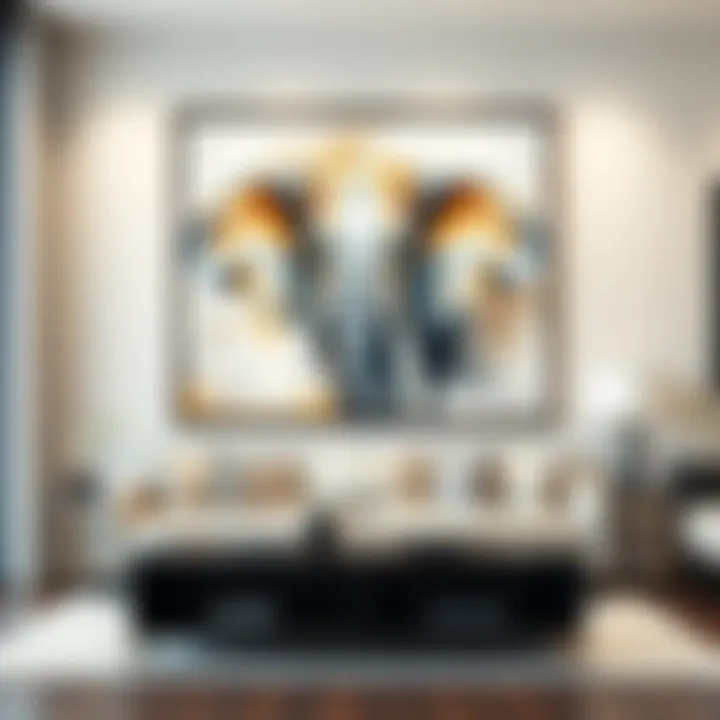
When considering traditional representations of elephants in art, one can reference the rich history that spans across many cultures. Elephants have long been regarded as symbols of wisdom, loyalty, and strength. Therefore, traditional wall art often emphasizes realism and detailed craftsmanship.
Paintings or sculptures that showcase elephants performing ceremonial tasks or depicted in majestic landscapes lend a historical context to the artwork. For instance, a traditional piece might illustrate a group of elephants adorned in colorful fabrics, reminiscent of an Indian festival. Such representations not only highlight the animal’s stature but also its role in various cultures.
These pieces often come in rich earth tones, capturing the natural beauty of the elephant and its habitat.
- Characteristics of Traditional Art Styles:
- Realistic portrayal
- Symbolic use of colors
- Detailed backgrounds
Traditional elephant art can serve as a powerful statement in interior design, especially in spaces that strive for a classic, timeless look. It invokes respect for history and can lead to meaningful conversations about heritage and culture.
Modern Interpretations
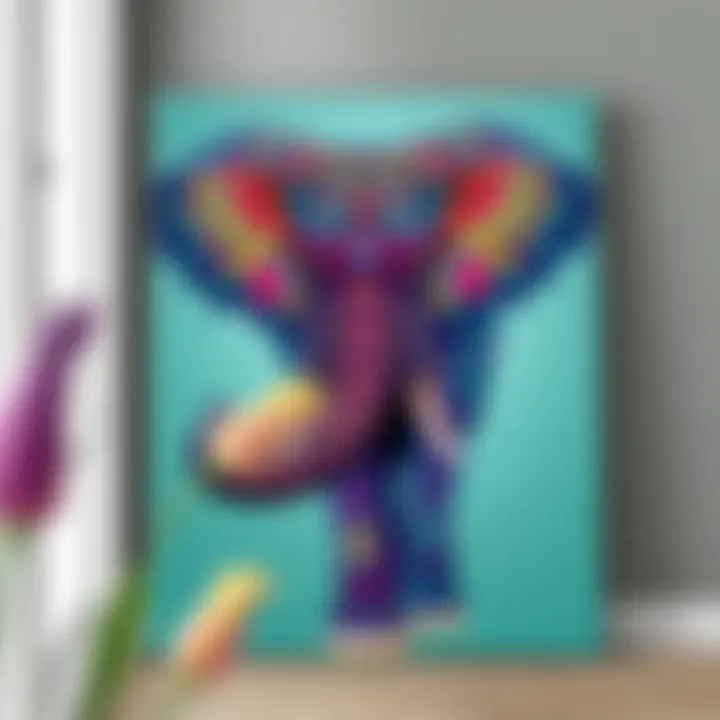
Modern interpretations of elephant wall art take a more abstract and stylized approach. Artists today explore the essence of the elephant rather than its literal form. Using bold colors, geometric shapes, or even mixed media, modern elephant art pushes boundaries while retaining the animal’s symbolism.
One might find designs featuring elephants integrated into pop art or minimalist styles. These pieces often utilize vibrant hues and whimsical designs that appeal to a younger, trend-conscious audience. For example, a modern piece could frame an elephant's silhouette against a bright, gradient background, delivering a fresh twist on a traditional subject.
- Features of Modern Art Styles:
- Abstract representations
- Use of unconventional materials
- Playful colors and whimsical themes
Integrating this style into your home can energize a room, making it more inviting and dynamic. Modern elephant art can also act as a conversation starter, blending contemporary aesthetics with meaningful symbolism.
Abstract Art Approaches
Abstract art takes the exploration of elephants to an even higher level of interpretation. Here, the focus shifts from representation to emotion, challenging viewers to perceive the artwork in their own unique way. Abstract elephant art may feature fragmented forms, bold strokes, or even dynamic patterns that suggest the movement and majesty of elephants without depicting them in a straightforward manner.
This style invites curiosity and introspection, making it particularly impactful in creative spaces such as studios or lounges. Many artists employ techniques such as splattering, layering, or even digital manipulation to create works that resonate on a conceptual level.
- Elements of Abstract Art Styles:
- Non-traditional shapes
- Emphasis on color and texture
- Evocation of feelings rather than images
Abstract elephant art can be especially appealing to those looking to challenge conventional ideas and embrace a more imaginative realm. It allows space for individual interpretation and emotional connection, making it a valuable addition to any modern decor.
Materials Used in Canvas Art
When it comes to crafting elephant wall art, the materials chosen play a key role in the final aesthetic and durability of the pieces. It's not just about what looks good, but also about how sustainable these materials are, considering the growing emphasis on eco-friendliness in modern art. Artists, interior designers, and decor enthusiasts alike find it vital to choose the right canvas materials, balancing beauty and ethical considerations. This section will break down the different options available, along with their benefits and drawbacks.
Traditional Canvas vs. Alternative Materials
Traditionally, most wall art is painted on canvas made from cotton or linen. These materials offer a classic look and provide a sturdy foundation for vibrant paints. Cotton canvas is widely praised for its ability to absorb paint deeply, resulting in bright, bold colors that don't fade over time. It’s like writing on a solid piece of paper, where the ink settles and becomes part of the material.
However, the art world is witnessing a shift. Many artists are exploring alternative materials like bamboo panels, wood, and even recycled fabrics. Each offers unique visual qualities:
- Bamboo Panels: Lightweight, and environmentally friendly, these panels provide a smooth surface ideal for detailed brushwork.
- Wood: Its natural grain can enhance the rustic charm of an elephant painting, making it a favorite among those who appreciate organic aesthetics.
- Recycled Fabrics: Using fabric scraps adds an element of sustainability. Paints used on these materials can take on unpredictable textures, leading to original designs.
When selecting the canvas material, consider the intended space and how the piece will interact with its surroundings. A traditional cotton canvas may work beautifully in a vintage setting, while a sleek bamboo panel might be more fitting for a contemporary home.
Eco-Friendly Options
As the conversation around sustainability continues to grow, many artists are prioritizing eco-friendly options for their canvas art. The urge to create art without compromising the environment resonates strongly with both artists and buyers. Here are some eco-friendly materials leading the pack:
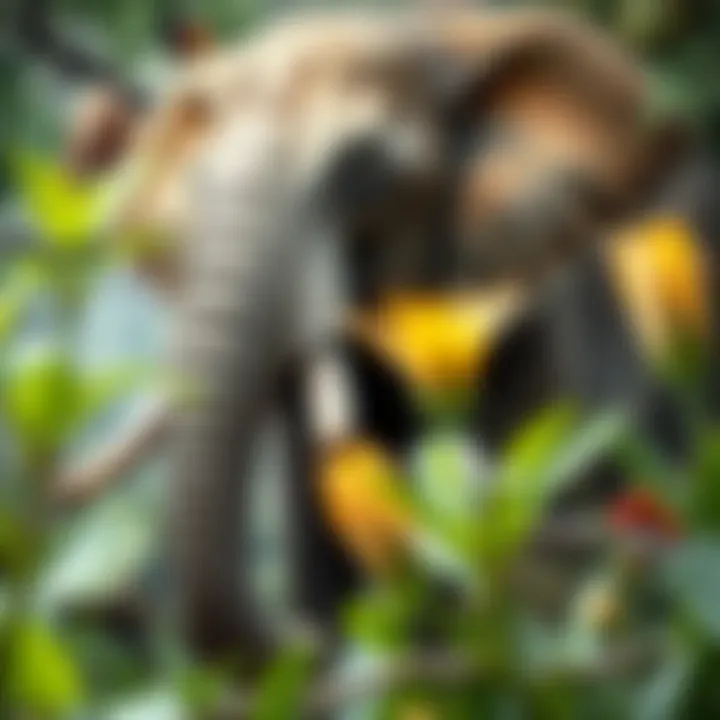
- Organic Cotton Canvas: Free from pesticides and dyes, organic cotton is a great foundation for supporting both the elephant motif and eco-conscious values.
- Recycled Products: These materials can range from recycled paper to upcycled fabrics, allowing artists to minimize waste and showcase creativity with non-standard materials.
- Sustainable Paints: It's essential to also consider the type of paint used, as many traditional paints contain harmful chemicals. Eco-friendly paint options, like those made from natural pigments or low-VOC formulas, reduce toxic emissions and environmental impact.
Adopting eco-friendly practices helps not only in art creation but also serves as a statement of social responsibility. Using these options doesn’t mean sacrificing quality or aesthetics; rather, it can enhance the uniqueness of the artwork and reflect a stronger narrative behind the piece.
In this ever-evolving art landscape, materials play a pivotal role in shaping the viewer's experience while also honoring the commitment to sustainability. Both artists and collectors can find ways to meld creativity with a respect for nature in the world of elephant wall art.
Incorporating Elephant Art into Interior Design
Incorporating elephant art into interior design is not just about adding a touch of whimsy or color; it’s about expressing a deeper narrative that resonates with visitors. The presence of elephants in home decor can be powerful, evoking themes of strength, wisdom, and protection. When done correctly, it can transform a space from ordinary to extraordinary, creating an atmosphere that reflects personal values and cultural appreciation.
The benefits of including elephant wall art are manifold. For one, elephants easily become the focal point of a room. Their grand presence can draw the eye, making a striking impression. Furthermore, elephant motifs can complement various design styles, from bohemian to contemporary, adding depth and character. With this in mind, understanding the various considerations when selecting and placing this art form is crucial to achieving the desired effect.
Choosing the Right Location
When it comes to choosing the right location for elephant art, several factors come into play. One significant element is the visual balance of the space. Placing a large elephant painting in a room dominated by small, delicate decor can create an incongruity that detracts from the overall design. Instead, they shine best in spaces like living rooms or entryways where they can stand independently or alongside complementary elements.
Consider the wall’s size and color too. A bold elephant piece might get lost on a patterned wall, while a subtler work could become overshadowed in a neutrally colored space. Sometimes, it is worth taking a step back and assessing how the artwork interacts with furniture and other decor. A well-placed piece can elevate the design, bringing life and vibrancy to the room.
Color Coordination Strategies
Color coordination is another fundamental aspect of successfully incorporating elephant art into your interior. A vivid elephant canvas, perhaps rendered in blues and yellows, can be matched with accessories in similar shades to create a cohesive look. Consider accent pillows, throws, or even rugs that play into the color scheme to create a harmonious environment.
Additionally, it can be beneficial to think about the mood you want to radiate. Softer colors evoke calm, while bright hues can energize a space. Oddly enough, sometimes contrasting colors can serve to highlight an artwork rather than blend into it. Take a large elephant painting with earthy tones and present it against a stark white wall; the drama of contrast makes each piece pop in a pleasing manner.
In summary, blending elephant wall art into a design not only celebrates creativity but also invites a world of symbolism and emotion into your home. Let the art guide your choices on location and colors, and you will curate a space that speaks volumes about who you are.
The Role of Artists in Elephant Art
When looking at the world of elephant wall art, the importance of artists may often be overlooked. However, their role is essential in shaping both the aesthetic appeal and cultural significance of these works. These individuals breathe life into canvases, translating personal visions into pieces that speak to observers. Each brushstroke, color choice, and style reflect not only their creativity but also the influence of tradition, emotion, and current artistic movements.
Artists help to bridge gaps between cultures, ideas, and interpretations of the elephant motif. They provide a voice for the elephants that symbolizes wisdom, strength, and loyalty across various societies. As such, understanding their contributions and the trends they follow is paramount for anyone interested in elephant wall art.
Notable Artists and Their Contributions
While many artists might touch on elephants in their work, a few stand out due to their unique perspectives and techniques.
- Ravi Kumar: This Indian artist intertwines traditional Indian painting styles with contemporary approaches to create striking pieces that honor his heritage. His vivid colors and dynamic forms capture the essence of elephants in a way that resonates with both local and international audiences.
- Amelia Wong: A London-based artist, Wong uses mixed media to combine paint and digital art. Her innovative style allows for exploration beyond the canvas, bringing in multimedia elements. Wong's pieces challenge viewers to think about our relationship with animals and nature.
- John Barrow: Primarily known for his wildlife photography, Barrow incorporates his photographs into stunning canvas prints, celebrating the raw beauty of elephants in their natural habitat. His work draws attention to conservation issues while inviting discussions on the importance of protecting these magnificent creatures.
These artists not only create beautiful artworks but also foster dialogues about preservation, cultural identity, and artistic expression related to elephants.
Emerging Trends in Artistic Expression
The landscape of elephant wall art is continually evolving, reflecting shifts in societal values, tastes, and technologies. Here are several trends currently reshaping the scene:
- Digital Artistic Innovations: Many artists are now turning to digital platforms to create their pieces. Tools like Procreate and Adobe Illustrator allow for unique designs that can easily be reproduced, making art more accessible. This platform also supports experimentation with styles and techniques not limited by traditional paint and canvas.
- Sustainable Practices: There's a noticeable trend toward eco-consciousness in the art world. Artists are increasingly using sustainable materials to create their works. There’s a growing emphasis on using recycled materials or ethically sourced canvases, which resonates with a broader audience concerned about the environment.
- Cultural Collaborations: Artists from different backgrounds are now collaborating to merge distinct cultural influences into their works. This cross-pollination of ideas leads to fresh interpretations and techniques that innovate how elephants are represented in art.
As these trends continue to develop, they further enrich the already vibrant tapestry of elephant wall art. These transformations allow for greater accessibility and understanding, fostering a community built on appreciation and conservation.
The Market for Elephant Wall Art Canvas
Art is not just a visual expression; it’s a bridge between culture, emotion, and personal space. The market for elephant wall art canvas, in particular, stands as a unique avenue within the broader art world. With an increasing number of consumers recognizing the importance of art in home decor, the appetite for elephant-themed artwork is growing rapidly. These majestic creatures are more than mere subjects; they resonate cultural significance and emotional depth, which can invigorate any interior setting.
Purchasing elephant wall art can be a fulfilling experience, imbued with the thrill of sourcing genuine pieces that reflect one’s aesthetics and values. Beyond the look of such art, there's also an ethical imperative for many buyers. As awareness for sustainable practices rises, consumers are often interested in where their art comes from and the implications tied to its creation.
Where to Purchase Genuine Art Pieces
Finding authentic elephant wall art is paramount for ensuring quality and maintaining artistic integrity. Here are some recommended avenues:
- Art Galleries: Local galleries often showcase original works from artists, providing an opportunity to acquire unique pieces while supporting local talent. Galleries typically offer a more personal connection, allowing buyers to meet artists and discuss their work.
- Online Marketplaces: Websites like Etsy and Saatchi Art are treasure troves for buyers seeking both established and emerging artists. Here, you can filter the results based on style, medium, and price. It’s significant to verify the seller’s reviews and ensure their work aligns with your values.
- Art Fairs and Exhibitions: Attending art fairs can be an exhilarating way to discover and purchase elephant wall art. Not only do these events showcase a vast array of styles, but you can also engage with artists directly and obtain more context about their creations.
- Cultural Organizations: Museums or cultural groups may provide limited editions or artist collaborations. Purchasing through these entities often guarantees that your funds contribute to cultural preservation and support local artisans.
"Art should not be just a decoration on the wall; it should be a conversation starter."
By exploring various sources and connecting directly with artists, one can find pieces that are not just decor but carry stories and intentions.
Pricing Factors to Consider
When it comes to investing in elephant wall art, understanding pricing is crucial. Several elements can play a role in determining how much a piece might cost:
- Artist’s Reputation: The more established the artist, the higher the price may be. However, emerging artists can also offer quality for reasonable prices, making it an interesting market to explore.
- Medium and Size: Larger pieces or those created with intricate techniques may demand higher prices. Similarly, if the artwork involves special materials or eco-friendly practices, its pricing is likely adjusted accordingly.
- Limited Editions: Pieces that are available in limited numbers often come at a premium, as they are considered more exclusive and less likely to be replicated in the future.
- Market Trends: Like any other area of investment, trends can shift based on popularity, cultural movements, or economic factors. Keeping an eye on these trends can help savvy buyers make informed decisions.
Understanding these considerations not only assists in making an informed investment but can enrich the meaningfulness of the piece you choose to bring into your home.
The Cultural Significance of Elephants in Art
The elephant, as a motif in art, transcends geographical boundaries, playing a vital role in various cultures around the globe. When we delve into the cultural significance of elephants in art, we unveil layers of meanings that speak volumes about human values, traditions, and beliefs. This section aims to highlight the importance of these majestic creatures and their representation in the artistic realm, illustrating how they resonate with history and contemporary society.
Elephants as Symbols Across Cultures
Across continents, elephants are imbued with symbolism that varies from one culture to another. In many Asian cultures, for instance, elephants symbolize wisdom, strength, and good luck. This perception can often be traced back to religious texts and folklore, where elephants serve as mounts for deities or symbols of royal power. In Hinduism, the god Ganesha, often depicted with an elephant's head, embodies intellect and the removal of obstacles. Artists draw inspiration from such rich contexts, translating them into stunning wall art that can inspire awe and reverence.
"Elephants in art are not merely representations but are windows into the socio-cultural fabric of societies."
In contrast, in African cultures, elephants often represent family and connection to the earth. Their intricate social structures reflect values of community and kinship, deeply connecting with the art that depicts their significance. This highlights the universal yet diverse nature of elephants in human expression, as artists choose to portray these themes through various styles and mediums.
Here are some examples of elephant symbolism in different cultures:
- Asian Cultures: Wisdom, strength, and auspiciousness.
- African Cultures: Family ties, community, and the natural world.
- Western Representation: Often seen as symbols of memory and intellect.
Additionally, modern interpretations of elephant art bridge traditional meanings with contemporary thought, creating a dialogue that resonates with audiences today. The artistry reflects both admiration and awareness, urging viewers to connect emotionally with the symbolic richness that elephants carry.
Cultural Appropriation vs. Appreciation
As with any cultural artifact, the use of elephant imagery raises important discussions around cultural appropriation and appreciation. Decor that features elephants can easily slide into appropriation if done without understanding and respect for the original cultural significance. It’s crucial for artists and consumers alike to engage with these symbols thoughtfully.
Appreciation comes from acknowledging the deep-seated history and symbolism these creatures represent, while appropriation often ignores or diminishes that context for aesthetic or commercial gain. An artist who painstakingly incorporates traditional motifs into their work may still face scrutiny if their interpretation lacks authenticity or connection to the community they’re drawing from.
When purchasing elephant wall art or creating it, consider the following points:
- Research the Cultural Significance: Understand where the imagery originates from and its meaning.
- Support Indigenous Artists: Whenever possible, buy from those who belong to communities that honor the elephant’s symbolism.
- Engage in Collaborations: Artists should strive to collaborate with cultural custodians to create works that respect tradition while allowing for new expressions.
Closure: The Lasting Impact of Elephant Wall Art
The exploration of elephant wall art canvas reveals a profound connection between artistry, culture, and emotional resonance. The significance of this form of art is rooted in its ability to tell stories—stories of grace, strength, and wisdom that elephants symbolize across numerous cultures. Engaging with such artwork isn't merely about aesthetics; it creates a bridge between the observer and the themes of memory, heritage, and respect for nature.
Benefits of Elephant Wall Art
The benefits of incorporating elephant wall art into your living space or professional environment are manifold. Firstly, these pieces serve as conversation starters. Visitors often draw connections to their meanings, prompting discussions about wildlife conservation, cultural values, and artistic interpretations. This aspect augments the viewer's experience, embedding art into the fabric of their social interactions. Additionally, the presence of such artworks can evoke feelings of tranquility and reflection, invoking a sense of connection to the natural world.
When selecting elephant art, consider not only its visual appeal but also the narrative it conveys. Artworks can encourage introspection about our own relationships with the environment and other beings. With awareness of cultural significance, one can appreciate how art transcends decorative purposes, acting instead as a focal point for sharing stories about collective human experience.
Key Considerations
- Cultural Representation: Understand the origin of the artwork and its implications in different cultures. It is essential not to overlook the narratives an elephant artwork might carry, thereby fostering a deeper appreciation when displayed.
- Sustainability: Focus on environmentally friendly options. Supporting artists who use sustainable practices contributes positively not only to one’s decor but the broader ecological fabric as well.
- Personal Connection: Choose pieces that resonate with personal experiences or values. This connection transforms the art from mere decoration to a cherished part of one’s life journey.
“Art enables us to find ourselves and lose ourselves at the same time.” – Thomas Merton
Reflecting on the impact of elephant wall art, we realize it's not just about beautifying a space; it's about adding layers of meaning, fostering conversations, and advocating for sustainability. It invites those who engage with it to ponder, appreciate, and respect, making a lasting imprint far beyond its visual allure.