Exploring Glass TV Units: A Comprehensive Guide
Intro
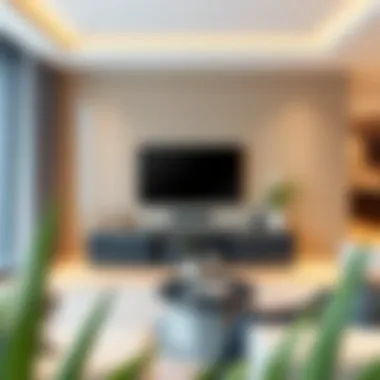
In the realm of interior design, the furniture we choose speaks volumes about our style and lifestyle. One of the most chic and contemporary options that has been gaining traction is the glass TV unit. These sleek structures not only serve as a functional piece for housing entertainment systems but also add a touch of elegance to modern spaces.
Understanding how glass TV units can enhance interior aesthetics involves delving into various facets such as design trends, practical benefits, and the materials employed in their construction. Homeowners and designers alike are keen to explore how these pieces interact with light, create a sense of space, and serve the dual purpose of functionality and style. By examining current trends and the aesthetics they bring, one can gain a rich perspective of how glass furniture shapes contemporary homes.
As the conversation around sustainability grows, evaluating the eco-friendly choices in furniture design becomes crucial. It's more than just aesthetics; it’s about making informed choices that reflect personal values and environmental consciousness. This guide aims to arm you with all the insights necessary to navigate the world of glass TV units, making educated decisions for your own space or a clients’.
With a blend of practical advice and design inspiration, this journey into glass TV units promises a comprehensive lens through which to view modern living. Let's embark on this exploration of style, substance, and sustainability.
Prelude to Glass TV Units
Glass TV units are more than just a piece of furniture; they are a statement of style and sophistication. In today’s world of interior design, where aesthetic appeal meets functional needs, glass TV units stand out for their unique combination of elegance and practicality. Whether you are a homeowner aiming to create a contemporary living space or an interior designer searching for innovative solutions, understanding the significance of glass TV units is essential.
These units offer several benefits that make them a preferred choice for many. First, they amplify the brightness in a room and create an illusion of space, making them ideal for smaller areas. Furthermore, the transparency of glass can seamlessly blend various decor styles, whether sleek and modern or more traditional, without overwhelming other design elements.
Key Benefits of Glass TV Units:
- Light Reflection: The ability to reflect light not only enhances the overall brightness of your room but also adds a layer of depth.
- Versatile Design Options: Glass units come in a myriad of styles and dimensions, allowing them to fit various room sizes and layouts, from compact apartments to expansive homes.
- Low Maintenance: A simple glass surface requires less upkeep compared to wood or darker materials, which tend to show dust and fingerprints more easily. Just a quick wipe and they look spotless again.
However, it is crucial to consider some aspects while choosing a glass TV unit. Glass, while durable, is susceptible to scratches and can be a bit pricy compared to other materials. This requires intentional planning and selection. For instance, reinforcing the unit with tempered glass is advisable for longevity and safety.
"With the right care and placement, glass TV units become a focal point, highlighting not just your technology, but also your personal styling preferences."
By diving deeper into the material, design considerations, functionality, and trends surrounding glass TV units, this guide will equip you with the knowledge needed to make informed decisions. In doing so, it aims to bridge the gap between style and functionality—two crucial elements in modern interior design.
As we move forward, we will explore the diverse types of glass used, the design choices available, as well as how to effectively integrate these units into your living space. Understanding each facet will lead every reader, from DIY enthusiasts to professional decorators, to appreciate the art of choosing and maintaining a glass TV unit.
Understanding the Material
In the realm of glass TV units, a robust comprehension of the materials at play is paramount. This section delves deeper into various types of glass used in crafting these units, along with the benefits they offer. Knowing the materials not only informs the buyer's decision but also enhances the appreciation for the craftsmanship that goes into producing glass furniture. Each type of glass has its unique characteristics, advantages, and quirks that appeal to different tastes and needs. When choosing the right glass for a TV unit, understanding these elements can greatly influence functionality, safety, and aesthetic appeal.
Types of Glass Used
Tempered Glass
Tempered glass is a common choice for glass TV units due to its strength and safety features. It's produced through a heating and rapid cooling process, which makes it significantly tougher than ordinary glass. One important aspect of tempered glass is its resistance to thermal stress and shattering. If it does break, it shatters into small, blunt pieces, which minimizes the risk of injury.
In the context of glass TV units, this durability means that it can withstand everyday use without the worry of accidental breakage. Homeowners often appreciate the peace of mind that comes with tempered glass, knowing it can handle a bit of rough and tumble.
Laminated Glass
Laminated glass comprises two or more layers of glass bonded together with an interlayer, typically made of polyvinyl butyral (PVB). This sandwiching technique grants it remarkable strength and a significant degree of sound insulation, making it an excellent choice for media environments where sound quality is important.
Another advantage of laminated glass is its ability to block harmful UV rays, which protects not only the TV but also furniture and valuables from potential fading. Though typically more expensive than tempered glass, the additional benefits often justify the cost for many discerning buyers.
Acrylic Options
Acrylic glass, or PMMA, stands as a lighter alternative to traditional glass. Though not as strong as tempered or laminated glass, it brings with it a range of appealing features such as flexibility and cost-effectiveness. For some homeowners, the ease of handling and installation that acrylic options provide make them a go-to choice.
On the downside, acrylic is prone to scratching and may not provide the same level of durability as its glass counterparts. However, its lightweight nature can be a significant benefit in situations where weight is a concern, such as wall-mounted installations.
Benefits of Using Glass
Lightweight and Durable
When it comes to the construction of furniture, especially TV units, the balance between weight and durability is crucial. Glass units, particularly those made with tempered or laminated glass, strike that balance beautifully. Their lightweight quality makes them easier to handle during installation and rearrangement, while their inherent strength ensures they can withstand daily use without much wear and tear.
This dual characteristic not only appeals to DIY enthusiasts who often change their arrangements but also to professional designers looking to optimize space and functionality.
Easy Maintenance
A significant benefit of glass TV units lies in their easy upkeep. Unlike wood or fabric, which can stain or harbor dust and debris, glass surfaces are straightforward to clean. A quick wipe with a lint-free cloth and mild cleaner is usually all it takes to maintain a pristine, clear surface.
This ease of care is particularly attractive to busy homeowners or those who prefer low-maintenance options in their living spaces. Modern living demands efficiency, and glass units certainly deliver in this regard.
Modern Aesthetic
Glass TV units imbue spaces with a sleek, contemporary feel, acting as both a functional piece and a design statement. The transparency and light-reflecting qualities of glass create an airy atmosphere, making them perfect for smaller rooms or for those who wish to keep the space feeling open.
Their minimalist style can complement various interior designs—from industrial chic to a more classic vibe. Glass units are often viewed as timeless pieces, giving them lasting appeal in the ever-evolving world of interior design.
Design Considerations


When it comes to incorporating glass TV units into your space, design considerations play a pivotal role. Various elements influence how these units harmonize with the overall aesthetic and functionality of the room. Understanding style variations and dimensions can ensure that a glass TV unit is not just a piece of furniture but a statement in your interior design. It’s not merely about choosing any glass TV unit; it’s about selecting one that aligns perfectly with your vision for the space.
Style Variations
Minimalist Designs
Minimalism is about stripping things down to their essential elements. For glass TV units, this means clean lines, open space, and a lack of clutter. The major characteristic of minimalist designs is their ability to create a serene atmosphere. When placed in a living room, such units can become a focal point without overwhelming the area with excessive detail.
An alluring aspect of minimalist glass TV units is their transparency which fosters an impression of lightness. This can be beneficial for small spaces, where a bulky design would suffocate the surroundings. However, it often requires extra effort to maintain their pristine appearance, as dust and fingerprints can be more visible compared to wooden alternatives.
Industrial Influence
Industrial designs bring a raw, unfinished charm to a space. In glass TV units, this often translates to a combination of glass and metal frames. The primary characteristic of this style is the contrast between sleek glass and rugged metal, which can add depth and attitude to the decor.
This style is popular among individuals looking to celebrate the beauty of materials. An industrial glass unit may come with exposed structural elements that provide a strong visual impact. Potential downsides, however, include a heavier aesthetic that may not suit all themes. Plus, the combo of materials may become cumbersome to maintain if not cared for properly.
Classic Elegance
Classic elegance evokes a sense of timeless sophistication. Glass units in this design category are often adorned with intricate details like molding or decorative frames. The key characteristic here is a balance between traditional craftsmanship and modern materials. This blend can be particularly appealing to those who favor a touch of grandeur in their home decor.
The unique feature of classic elegance is its ability to complement a variety of styles, making it versatile. Nonetheless, achieving comfort through this style often poses a challenge, as certain luxurious designs can feel formal or rigid, deterring a cozy atmosphere.
Size and Dimensions
Space Planning
Effective space planning is crucial when selecting a glass TV unit. It's all about ensuring that the unit fits harmoniously within the overall layout of the room. One of the benefits of proper space planning is maximizing usability while minimizing clutter. A carefully planned layout can create a free-flowing environment that welcomes relaxation and social interaction.
The unique aspect of space planning in relation to glass units is the potential for visual expansion. Glass can create an illusion of more space which assists in smaller rooms or apartments. However, be mindful that overcrowding a space can still lead to a chaotic feel, and thus, a careful balance must be struck.
Proportions to Consider
Understanding proportions is a crucial part of choosing the perfect glass TV unit. Every room has a scale, and the unit should not disrupt it. The right proportions enhance the aesthetic balance in the room. If a TV unit is too large, it can overpower the space, making it feel cramped. Conversely, a unit that is too small may get lost in a vast room, failing to make an impact.
Notably, the unique feature of considering proportions is its direct influence on sightlines and comfort. Well-proportioned glass units allow for better viewing angles, enhancing the overall experience of movie watching or gaming. The downside? It requires careful measurement and sometimes more upfront planning to get it just right.
Customizable Options
Customizable glass TV units offer versatility that appeals to many. They allow homeowners to tailor aspects like size, layout, and storage features to fit specific needs. A significant advantage of customizable designs is their adaptability; they can easily evolve with changing personal styles or space requirements.
The unique feature of customization lies in the opportunity to incorporate personal elements, from color choices to storage configurations. However, customization can often come with a price tag that might be surprisingly steep, limiting availability for some budgets.
In summary, thoughtfully considering design elements such as style variations and dimensions is key to integrating glass TV units into your space. Knowing the characteristics and trade-offs of each style can guide you in making informed decor choices that not only reflect your personal style but also elevate the function of your living area.
Functionality and Storage Options
When selecting a glass TV unit, the elements of functionality and storage options play a crucial role in how it serves both practical needs and aesthetic values. A well-thought-out storage approach not only enhances the usability of the space but also contributes to the overall ambiance of the room. Balancing functionality with effective storage can elevate the practicality of glass furniture in modern settings.
Open vs. Closed Storage
Visibility and Accessibility
In the realm of home design, visibility and accessibility are key factors that elevate the functionality of glass TV units. Open storage solutions allow easy access to devices and accessories, making it convenient for users. Think of it as inviting all your prized gadgets to the party without having to dig through clutter. That immediate visibility also means that when guests drop by, you’re not rifling through drawers, looking for remotes or gaming consoles. However, with this ease comes the potential downside of exposing clutter, where every cord and device is on display. Maintaining a clean aesthetic becomes vital in spaces designed this way.
Hiding Clutter
While open storage can be appealing, the charm of hiding clutter holds its own merit. Closed storage solutions, like cabinets with glass doors, elegantly conceal the jumble of electronics and accessories you accumulate over time. This approach creates a serene environment, allowing visual calm without the distraction of scattered items. Moreover, it speaks to homeowners’ desire for tidiness and organization. But, on the other hand, you might lose out on quick access to items you often use, which can be inconvenient at times. It's the balance of convenience against an orderly presentation that dictates the best solution for any given space.
Complementing Technology
The integration of technology into everyday life means that your TV unit must play well with your gadgets. A unit designed to complement technology creates a seamless experience where visual and functional elements align. For example, a unit with designated spaces for cable boxes, gaming consoles, and sound systems can streamline the visual clutter around your setup. This is especially popular in spaces aimed at showcasing minimalist design. However, one must keep in mind that focusing too heavily on integration might compromise the flexibility of rearranging components as technology evolves.
Cable Management Solutions
Built-In Systems
When it comes to cable management, built-in systems are a godsend for keeping cords discreetly tucked away. This feature allows for a clean installation and promotes a tidy appearance. With well-designed units, cables can run through channels hidden from view, maintaining the elegant aesthetic of glass while facilitating ease of access for changes or updates. Yet, this convenience can sometimes come at the expense of adaptability; if a new gadget enters the mix that requires different setups, adjustments can be more of a headache.
External Solutions
For those who may find built-in systems lacking, external solutions present a clever alternative. These solutions can range from decorative cord covers to sophisticated cable box organizers, which enhance the design without sacrificing function. An advantage of using external solutions is the ability to customize your storage aesthetic without being beholden to the furniture piece itself. On the flip side, too many external devices can clutter the area and disrupt the minimalist appeal many glass units strive for.
Maintaining Aesthetic Quality

Upholding aesthetic quality while managing cables is a challenge many face. A good cable management system not only organizes wires but also ensures they remain hidden from sight, preserving the clean look of your glass unit. The key quality that such systems should possess is adaptability. They must integrate comfortably within the design without drawing too much attention. However, one must monitor these systems regularly to prevent any unsightly sagging or mismanagement that can detract from the overall ambiance of the room.
The beauty of glass TV units lies not only in their design but in how they serve the functionality of your space. It's about making the everyday a bit more elegant while providing practical solutions for storage and organization.
Legitimizing these choices can influence how well a glass TV unit performs. By taking practicality and aesthetics into account, homeowners and designers alike can create spaces that are both stunning and efficient, maximizing the potential of their interiors.
Installation and Placement
The installation and placement of glass TV units is a crucial factor that can greatly influence both functionality and aesthetics in your home. A properly positioned unit not only enhances the visual appeal of the space but also optimizes its usability. Whether you are considering wall-mounted options or freestanding units, each choice comes with its own set of advantages and challenges that deserve careful consideration.
Wall-Mounted Options
Space Efficiency
Space efficiency is one of the standout features of wall-mounted glass TV units. By elevating the TV off the floor, homeowners can reclaim valuable floor space, which can be particularly advantageous in smaller rooms or apartments. Utilizing vertical space allows you to create a more spacious environment, making an area feel larger and less cluttered.
Moreover, wall-mounted units often come with integrated storage solutions, enabling an organized setup that hides away widgets and knick-knacks. However, it's important to take precise measurements before installation to ensure the unit fits seamlessly within the available wall space. An overreaching design could, ironically, make the room feel cramped.
Viewing Angles
The viewing angles provided by wall-mounted units can significantly enhance the overall experience of watching television. By adjusting the height and tilt, one can achieve optimal sight lines, allowing for a clearer picture from various seating positions. This adaptability is a major reason why wall-mounted options are often favored in modern homes.
While a well-placed unit can maximize the viewing experience, poor positioning might lead to glare from windows or undesirable reflections, undermining enjoyment. It’s essential to factor in both furniture layout and light sources in the planning process.
Stability Considerations
Stability is another vital consideration when opting for wall-mounted installations. Many units are designed with robust wall brackets to distribute weight evenly, ensuring they remain secure through years of use. The reliability of a well-mounted unit prevents possible accidents, making it a safer choice, particularly in homes with pets or children.
However, it's crucial to ensure that mounting brackets are properly installed into wall studs instead of drywall alone, as the latter may not support the weight over time, creating an instability that could be hazardous.
Freestanding Units
Versatility
Freestanding glass TV units shine in their versatility, able to complement various interior design themes. These units come in an array of styles, colors, and sizes, allowing them to fit in diverse environments—from minimalist to rustic. The flexibility of freestanding options makes it easy to relocate the unit should the room's layout change.
Such adaptability allows homeowners to experiment with different designs without committing to a permanent installation. However, one must consider the overall size of the unit in relation to the available space, as a unit that is too large can overwhelm a room.
Placement Flexibility
Placement flexibility is a key advantage of freestanding units, which can be moved or adjusted based on the day's activity or seasonal decor changes. This flexibility enables individuals to rearrange their living spaces according to their preferences, adapting to different social gatherings or entertainment needs.
However, this ease can also lead to choosing suboptimal locations, like near doorways or high-traffic areas, where the unit could create disruption. Thoughtful planning is necessary to maintain the functionality of the space.
Styling around the Unit
Styling around a freestanding glass TV unit can elevate the entire room's decor. Complementing the unit with other furniture pieces, art, and accessories allows for a cohesive look that can reflect personal style. Choosing the right accessories—like lighting or plants around the unit—can create an inviting atmosphere.
Still, there’s a delicate balance to strike. Too many items can lead to visual chaos, distracting from the unit itself. It’s best to opt for clarity and intentionality when enhancing the surrounding area.
In Summary:
The installation and placement of either wall-mounted or freestanding glass TV units plays a substantial role in how the unit interacts with its environment, marrying functionality with design. Thoughtful consideration of aspects such as space efficiency, viewing angles, stability, versatility, placement flexibility, and styling can lead to a truly harmonious setup.
Maintenance and Care
Looking after glass TV units is not just about aesthetics; it’s essential for longevity and maintaining their appealing look. With proper maintenance and care, users can ensure that their furniture remains in top shape while adding a touch of elegance to their space.
Cleaning Techniques
Keeping glass surfaces clean is an art. When it comes to cleaning glass TV units, one must be mindful of the products and techniques used.
Recommended Cleaning Products
When selecting cleaning products for glass, it’s crucial to choose ones that are effective yet gentle. Glass cleaner solutions, like Windex or a vinegar-water mix offer great functionality. These cleaning agents can cut through fingerprints and smudges with ease.
A key characteristic of good glass cleaners is that they evaporate quickly, reducing the streakiness some products leave behind. However, some cleaners may contain harsh chemicals that are not eco-friendly or could potentially damage surfaces over time. It’s advisable to opt for non-toxic variants when possible to preserve both the environment and your home’s air quality.
Tools for Maintenance
The right tools can make a significant difference in how effective your cleaning ritual is. A microfiber cloth, for instance, is a fantastic choice for wiping down glass units. Its softness ensures that no scratches occur while cleaning.
When it comes to tools, having a squeegee can also be useful, especially for larger surfaces. These tools help in achieving a cleaner finish and save time. However, using rough scrubbers could lead to unwanted scratches, so it’s better to stick with softer materials.
Preventing Scratches
The last thing anyone wants is to see a brand new glass TV unit marked with scratches. Preventing scratches is key in maintaining its pristine look. One effective way is to use coasters or placemats for any decorative items that sit atop the unit.
Additionally, being mindful about its placement is also crucial. Glass units should be placed away from high-traffic areas to minimize accidental bumps and contact. While scratches can sometimes be polished out, prevention is always the best course of action.
Long-Term Care Recommendations
Taking care of a glass TV unit goes beyond just cleaning. There are various long-term care measures that can significantly affect the durability and appearance of the unit.
Avoiding Environmental Damage
Glass is often sensitive to extreme conditions, including high humidity or direct sunlight. It’s best to place glass TV units away from windows and heating elements.
This advice is beneficial as it helps in sustaining the unit’s integrity. For example, prolonged exposure to sunlight can lead to fading or warping, which is less than ideal. Ensuring that the unit is in a stable environment can drastically increase its lifespan.
Susceptibility to Damage
It’s essential to recognize glass’s vulnerability. Even tempered glass, though stronger than regular glass, can still break under the right conditions. Understanding this characteristic is crucial for placement and use decisions.
This knowledge aids users in making informed choices about how to handle their furniture. It’s advisable to avoid overloading shelves or placing heavy items carelessly. Such actions can lead to cracks or breaks—nothing quite ruins the aesthetic like a shattered panel.
Restoration Techniques
If damage does occur, knowing some restoration techniques can be useful. There are cleaning kits specifically designed to repair minor scratches. These kits often include polishing compounds that can help restore the surface. However, assessing the damage first is wise, as deeper scratches may require professional restoration.
In summary, while glass TV units can elevate interior decor, they require thoughtful care to keep them looking their best. Regular cleaning, understanding environmental factors, and knowing how to restore them are necessary steps in maintaining their beauty. Visiting Wikipedia for more on glass properties can be quite informative.
Trends in Glass TV Units
In today’s fast-paced, tech-savvy world, trends in glass TV units have emerged as a blend of utility and aesthetics. Glass furniture, especially TV units, reflects modern lifestyle choices and evolving design philosophies. It transcends mere functionality, becoming a statement piece that resonates with both homeowners and interior designers. The integration of smart technology and sustainability practices in these units signifies the adaptability of design to contemporary needs. Emphasizing this trend not only enhances aesthetic appeal but also addresses practical concerns, thereby shaping how we interact with our living spaces.
Integration with Smart Technology
Adaptable Designs
Adaptable designs stand out as a significant feature in the integration of smart technology within glass TV units. These designs allow for a customizable approach to home entertainment, ensuring that the unit fits perfectly into various settings whether it be sleek and minimalist or more ornate. A key characteristic of adaptable designs is their versatility; they can accommodate various devices, from conventional cable boxes to digital streaming devices, without compromising on style. This quality makes them a popular choice, especially as homes become increasingly equipped with stylish entertainment tech.
Unique features include adjustable shelving and modular components, allowing users to rearrange setups swiftly as new tech emerges. This adaptability can be a double-edged sword; while it offers the flexibility to change with trends, it also demands more thought in selecting compatible components to guarantee seamless integration.
Hidden Technology Features
Hidden technology features are another exciting aspect of modern glass TV units. This design ethos emphasizes concealing wires and gadgets, which helps maintain visual clarity and a clean aesthetic. A primary advantage is that it transforms clutter into a cohesive visual experience, allowing the TV unit to serve not just as a functional item, but as an elegant focal point in the room.
Notably, some units incorporate technology that allows for easy access to devices without the unsightly mess of wires on display. However, the downside might be limited ventilation spaces, which could affect the devices' performance if heat builds up excessively. Thus, careful consideration is needed to balance aesthetics with practicality.
Smart Home Compatibility
Smart home compatibility is crucial in the ever-evolving landscape of glass TV units. As households adopt various smart technologies, having a unit that can sync effectively with these devices, such as voice assistants and home security systems, is invaluable. This characteristic enhances user experience significantly as it allows for seamless control and integration.
For instance, glass TV units that feature built-in smart hubs enable users to manage all their smart devices from a single location. The drawback may include the potential for software dependencies that could quickly become obsolete as tech advances. Nonetheless, investing in such compatibility often pays off by future-proofing the furniture against quickly changing technologies.
Sustainability Trends
Eco-Friendly Glass Options
The shift toward eco-friendly glass options is part of a broader movement toward sustainability in design. These materials are typically sourced from recycling processes or made using less harmful methods compared to traditional production techniques. A huge appeal lies in their minimal environmental impact, aligning with the growing demand for sustainability in consumer goods.
Moreover, units crafted from recycled glass often possess unique textures and colors that can add character to the space. It is essential to note that while such options are environmentally friendly, they can sometimes come at a higher price point due to the manufacturing process. The overall benefits, however, might outweigh the initial investment.
Recyclability
Recyclability is a crucial factor in the design of modern glass TV units. The ability to recycle glass contributes positively to reducing waste, which is an appealing feature for eco-conscious consumers. Glass is 100% recyclable without losing quality, making it a sustainable option throughout its lifecycle. Consumers increasingly appreciate knowing that their furniture can be disposed of or repurposed environmentally responsibly.
However, ease of recycling can depend on local facilities and regulations, which can hinder widespread adoption of glass as a preferred material. Despite this, prioritizing recyclability in design offers tremendous appeal and depth to glass TV units.
Trends in Sourcing Materials
Trends in sourcing materials for glass TV units reflect increasing consumer desire for ethical and sustainable practices. Manufacturers now often prioritize local sourcing and sustainable techniques to meet this demand. This characteristic is essential not only for reducing transportation emissions but also for supporting local economies and reducing the carbon footprint of the manufacturing process.
The unique feature of responsible sourcing practices is their ability to enhance transparency, allowing consumers to make informed decisions based on the provenance of their furniture. While this approach has many advantages, it may also result in increased costs associated with ethical sourcing. However, many homeowners and designers consider this worth the expense, valuing the ethics behind their purchases.
"Incorporating sustainable practices in design not only enhances environmental impact but also enables a richer story behind the furniture we choose to surround ourselves with."
This blend of smart technology integration and sustainability trends notably positions glass TV units at the forefront of modern interior design. The ways they adapt to both technological advancements and ecological concerns make them an appealing choice for contemporary living spaces.
The End
In wrapping up our exploration of glass TV units, it’s clear that these pieces are more than just furniture; they are a statement that melds functionality with aesthetics in modern homes. By understanding the unique properties of glass as a material, homeowners and designers can better appreciate how these units enhance living spaces.
Importance of Glass TV Units
Glass TV units serve several essential functions. First, they offer a minimalist feel that can make a room appear larger and more open, a crucial consideration in today’s trend of compact living. When deployed effectively, they can act as a stylish anchor in a room. The reflective quality of glass not only adds a touch of elegance but also helps to amplify light, creating an inviting atmosphere.
Moreover, these units are practical for maintaining visibility to technology. Unlike traditional media cabinets that may conceal equipment, glass units often allow for easy access while cleverly hiding clutter. This balance of form and function is vital, particularly for those integrating sophisticated technology into their interiors. It helps one to keep a clean, modern look while still offering space for essential gadgets.
Final Thoughts
Additionally, as interior design trends evolve, glass TV units have adapted to incorporate eco-friendly materials and smart technology. This ongoing evolution signals their relevance in modern design and sustainability conversations.
"In the world of design, the best choices combine beauty with utility, ensuring spaces not only look great but work better too."
Finally, it’s important to consider personal style. With numerous design variations available—from sleek minimalist structures to more ornate options—there's a glass unit out there that fits your unique vibe. So whether you’re a homeowner looking to refresh your living space, a designer seeking inspiration, or a retailer wanting to diversify your inventory, glass TV units deserve a place on your radar.