
Round Kitchen Islands on Wheels: Modern Design Insights


Intro
The kitchen has evolved beyond just a cooking space; it’s now a social hub where families gather and memories are made. As trends in kitchen design continue to shift, round kitchen islands on wheels are becoming an increasingly appealing option. They marry flexibility with style, making them a standout choice in today’s modern homes. These islands not only enhance functionality but also serve as focal points that enhance the overall aesthetic. This article dives into the myriad benefits these mobile islands offer, from space optimization to design versatility.
Furniture Design Trends
Current Trends in Furniture Design
Today's interior design landscape is heavily influenced by the ever-changing needs of homeowners. One of the primary currents driving furniture design is the push for versatility and adaptability. Round kitchen islands on wheels are a clear response to this trend. Their mobility allows homeowners to rearrange their kitchen layout according to the occasion, whether it be a casual family dinner or an elaborate gathering.
The popularity of open-concept kitchens has also prompted designers to create pieces that can serve multiple purposes. For example, a round island with wheels can function as a prep station, dining table, and storage solution all in one. Adding to that, minimalist design with clean lines complements a variety of kitchen styles, further enhancing the appeal of these round islands.
Influential Designers and Their Styles
Several designers have made notable contributions to the world of kitchen furniture, shaping how we view functionality and style. Think of names like Benjamin Moore in paint selections or kitchen-focused brands like IKEA. They have revolutionized kitchen design by offering innovative, functional products that cater to modern needs. Such designs often include multifunctional elements that exemplify how furniture can be both practical and beautiful.
By integrating comfortable seating, built-in storage, or even the latest countertop materials, these designers have set the stage for the round kitchen islands we see today. Some even go as far as customizing wheels that blend seamlessly with the design, ensuring that form complements function.
Sustainable Practices in Furniture
Sustainability is no longer an afterthought; it has become a cornerstone of contemporary furniture design. Round kitchen islands on wheels are no exception. As environmental awareness rises, both manufacturers and consumers are turning towards eco-friendly choices.
Eco-friendly Materials and Techniques
Many modern round kitchen islands are constructed from sustainable materials. Bamboo, for instance, is not only durable but also a rapidly renewable resource. Additionally, recycled metals and sustainably sourced woods provide excellent alternatives, ensuring that your kitchen remains stylish while being kind to the planet. Techniques like low-VOC finishes contribute to healthier indoor environments, making your cooking space cleaner and safer.
Benefits of Sustainable Furniture Choices
Opting for sustainable kitchen islands doesn’t merely benefit the environment; it can also enhance the appeal of your home. Such choices often come with quality craftsmanship and unique designs that set your kitchen apart from the rest. Furthermore, they often align with the personal values of today's consumers, making them feel good about their purchases.
To conclude, round kitchen islands on wheels are more than just a passing trend. They encapsulate the harmony between practicality and beauty, offering solutions that adapt to the dynamic lifestyle of modern homeowners. As you navigate through the evolving landscape of kitchen design, these islands can truly transform your cooking space into something extraordinary.
Intro to Round Kitchen Islands on Wheels
In today’s fast-paced world, where style marries functionality, round kitchen islands on wheels are becoming increasingly essential. They not only offer ease of movement but also foster a more dynamic cooking environment, transforming the traditional kitchen setup into a more versatile space. These islands on wheels serve as the heart of the kitchen, enabling seamless transitions from meal prep to dining, all while maximising the available room.
The practicality this design brings to modern kitchens is profound. With urban living spaces shrinking, finding ways to optimise space becomes crucial. Round kitchen islands provide a unique solution by allowing for mobility and thereby opening up the flow of the kitchen area. They enable homeowners to rearrange their space, accommodating more guests or simply creating a comfortable cooking atmosphere.
Moreover, these movable islands not only serve functional purposes but can also be crafted with diverse materials and finishes, making them a focal point of any kitchen. Coupled with ergonomic design, they encourage collaborative cooking experiences, letting families bond while whipping up meals together. Understanding the elements and benefits of these islands is fundamental for anyone considering modern kitchen design.
Defining the Concept
Round kitchen islands on wheels can be viewed as multifunctional furniture pieces that blend convenience and aesthetics. They typically consist of a rounded surface, which often includes features such as storage options and various worksurfaces. The inclusion of casters or wheels adds a layer of versatility, allowing the island to be moved effortlessly where needed.
In simpler terms, these islands serve multiple roles. They can function as prep stations, dining spots, or even wine bars. Unlike traditional fixed islands, the ability to move them ensures that users can adapt their kitchen layout according to activity or personal preference. This adaptability is key—think of hosting a dinner party with family; having your island nearby lets guests gather around without feeling boxed in.
Historical Context
Historically, kitchens were designed around static layouts, often limiting flexibility. The concept of movable kitchen furniture emerged as the dining room began merging with kitchen spaces during the mid-20th century. The evolution of the kitchen island, from being nothing more than a butcher block or a countertop extension, to its living form today, can directly tie to the changing norms of home cooking and meal preparation.
In the late 1990s and early 2000s, with the arrival of open-plan living spaces becoming a norm, kitchen islands transitioned from utilitarian structures to design elements. Homeowners sought combinations that offered both style and function, leading to a focus on design potential in round but movable forms. Now, the round kitchen island on wheels is not just a trend—it is a historical shift reflecting modern life demands, personal preferences, and a holistic view of kitchen functionality.
Round kitchen islands on wheels encapsulate an evolution of space and movement in kitchens, illuminating their role as critical components of contemporary design. Exploring these features and their backgrounds not only provides insight into their growing popularity but also enhances the overall understanding of modern kitchen dynamics.
The Benefits of Round Kitchen Islands on Wheels
Round kitchen islands on wheels come with a myriad of benefits that cater to the modern homeowner's need for versatility and style. This innovative solution not only enhances functionality but also transforms the kitchen's overall design. The benefits are numerous, ranging from improved mobility to maximizing available space, making them a remarkable addition to various kitchen styles.
Enhancing Mobility
Mobility is one of the standout features of round kitchen islands on wheels. Unlike traditional, stationary islands, the ability to move this type of island can create a dynamic workspace that adapts to different cooking needs and social situations. Imagine maneuvering your island closer to the stove when you're in the thick of preparing a meal, then rolling it to another corner of the kitchen for entertaining guests afterward. This flexibility allows for a seamless transition from cooking to dining, ensuring that your kitchen remains a hub of activity.
- Adaptability: The essence of mobility means that you can reconfigure your kitchen layout with ease, depending on the occasion or your cooking style.
- Accessibility: For those with mobility issues, a wheeled island can also provide a practical solution, making kitchen tasks less strenuous.
- Space Efficiency: When not in use, these islands can be repositioned or tucked away, aiding in keeping your kitchen uncluttered.
"In kitchens where every inch counts, the mobility of a round island can make all the difference."
Space Optimization
Space optimization often becomes a central theme when designing a modern kitchen. A round kitchen island on wheels can significantly enhance the efficient use of space, making the kitchen feel more expansive and functional. By replacing traditional rectangular shapes with a round design, you encourage a flow that is naturally suited for gathering and movement.
- Flexible Arrangements: Unlike fixed furnishings, a wheeled island can be adjusted to create pathways and clear zones for movement, which is essential for both cooking and socializing.
- Multi-functionality: Many round islands come equipped with built-in storage or seating options. This dual-purpose functionality maximizes space and reduces the need for extra furniture.
- Clearer Sightlines: The circular design often allows for better sightlines across the kitchen, lending a more open feel to the layout.
Collaborative Cooking Experiences
A kitchen is often the heart of the home, and round islands on wheels are perfect for fostering collaborative cooking experiences. The shape and mobility create an inviting setup that encourages multiple people to participate in food preparation and social interactions. It turns the act of cooking into a communal event rather than merely a task to complete.
- Engagement: With more people involved, the social aspect of cooking is greatly enhanced, resulting in richer family experiences. No one is relegated to a corner anymore—everyone can gather around.
- Interactive Designing: The island can serve as a station for everyone to contribute—chopping, mixing, or plating up, sparking creativity and fun in the kitchen.
- Cooking Classes: For those interested in sharing their culinary skills, a mobile island can serve as a base for classes, making it easy to rearrange for demonstrations or group activities.


In summary, the benefits of round kitchen islands on wheels present a compelling case for their integration into modern kitchen design. The unique ability to enhance mobility, optimize space, and encourage collaborative cooking experiences makes them an invaluable asset in creating not just a kitchen, but a vibrant social environment.
Design Considerations for Round Kitchen Islands
In the realm of modern kitchen design, the considerations surrounding round kitchen islands on wheels play a pivotal role. These islands not only serve practical purposes but also enhance the overall aesthetic of the kitchen space. Understanding how to navigate the decisions around size, materials, and finishes can greatly influence the functionality and style of your kitchen. With thoughtful design choices, these mobile islands can be tailored to serve both form and function effectively.
Size and Scale
When selecting a round kitchen island, conception around size and scale is paramount. Too large an island may overwhelm the space, while one that's too small may lack presence and utility. A golden rule is, the island should allow ample pathway dimensions for movement and flow.
Consider the dimension of your kitchen. If it’s a spacious area, a larger island can act as a standout feature. In contrast, in compact spaces, opting for a smaller size can maintain functionality without making it feel cramped. The key is to ensure that there's enough clearance—ideally about 36 inches—around the island for comfortable movement.
Material Selection
Wood
Wood, often synonymous with warmth, lends a classic touch to kitchen islands. Its natural appearance resonates well in many setups, especially in homes with rustic or traditional themes. Among various types of wood, oak, cherry, and maple hold strong appeal because of their durability and versatility.
The unique feature of wood is its ability to be refinished or stained, allowing homeowners to adjust its looks through time, which is a clear advantage for evolving design tastes. However, wood can be susceptible to moisture and stains if not properly sealed, which is something to take into consideration in a such a high-function area.
Metal
Metal, like stainless steel, presents a contemporary charm paired with unmatched durability. Its sleek finish is particularly fitting for modern kitchens, adding an industrial edge. Metal surfaces can withstand heat and resist stains, making them easier to maintain and clean.
One unique advantage of metal as a material is its capability for shiny finishes which can reflect light, helping smaller kitchens appear more spacious. However, a common downside is that metal may feel cold or uninviting in contrast to wood. Also, slight dents and scratches can be more visible, making it potentially less forgiving than other materials.
Composite Materials
Composite materials bring innovation to the forefront, often made combining resins with natural fibers. Their primary characteristic is the ability to imitate the appearance of either wood or stone while providing added durability and resistance. This makes them suitable for a range of kitchen styles.
The distinct advantage of composite materials is that they're often more affordable than solid wood or natural stone. They're also less porous, which minimizes issues with spills or stains. However, the downside might be the limited aesthetic that composite offers compared to more traditional materials, as some may prefer the authenticity of real wood or natural stone.
Color Schemes and Finishes
Color plays a substantial role in the perception of space, particularly for a round kitchen island which is often the focal point. Choose a color that resonates with your overall kitchen theme. Lighter hues can make a compact space feel open, while bold shades can provide dramatic focal points.
Finishes also matter—matte finishes can provide a contemporary touch, while glossy surfaces can add a bit of elegance. Ultimately, these decisions layer up to create an inviting ambiance while ensuring the kitchen remains functional and stylish.
"A well-designed kitchen island can become the heart of your home, tailoring not just to cooking needs but also to your unique lifestyle."
Choosing thoughtfully regarding size, materials, and color makes all the difference in creating a round kitchen island that doesn’t just fulfill practical needs but also enhances the beauty of the culinary space. The right selections lead to an island that not only works well but brings joy and ease to cooking and dining experiences.
Functional Features to Consider
When it comes to round kitchen islands on wheels, focusing on their functional features is essential. These islands are not merely aesthetic additions; they bring practical benefits that align with modern kitchen needs. A well-designed island can enhance the overall cooking experience, providing versatility and convenience. In examining these features, we discuss storage solutions, multi-use surfaces, and integrated appliances, all of which contribute to a kitchen that is both efficient and enjoyable.
Storage Solutions
Cabinets
Cabinets in a round kitchen island provide a thoughtful approach to maximizing space. These storage areas can help manage kitchen clutter, organizing everything from pots and pans to small appliances. What sets cabinets apart is their clear distinction: a closed storage solution that keeps items out of sight. This makes them a preferred choice for homeowners who favor a tidy, sleek look.
One striking feature of cabinets is their customization potential. Homeowners can choose various styles, colors, and finishes that mesh well with existing kitchen decor. They effectively hide away less attractive items, giving the kitchen a polished appearance. However, the downside is that accessing items can be a bit cumbersome if the island is rolled away, necessitating careful planning for usage.
Open Shelving
Open shelving on a round kitchen island offers a different charm. Instead of hiding items away, it prominently displays dishware, cookbooks, or decorative elements. This characteristic promotes a sense of openness, making the kitchen feel larger and more inviting. It’s particularly beneficial for those who prefer access to their essentials and enjoy showcasing their collection of fine china or vibrant spices.
Yet, the trade-off here comes with maintenance; open shelves require regular cleaning to prevent dust accumulation. Additionally, items displayed may be more vulnerable to accidents or damage, making it a less secure option compared to enclosed cabinets.
Multi-use Surfaces
Prep Areas
Designing a prep area into a round kitchen island can be a game-changer for culinary enthusiasts. This section of the island often becomes the primary spot for meal preparation, where freshness meets efficiency. Key to its appeal is the generous surface space that allows multiple cooking activities to flourish simultaneously.
This versatility supports everything from rolling dough to chopping vegetables, offering a dedicated workspace that streamlines the cooking process. However, it's crucial to ensure that the materials used are durable and easy to maintain, as they will likely endure heavy usage. One must also consider the placement of the prep area in relation to the sink and cooking appliances to optimize workflow.
Dining Space
Integrating a small dining space within the round kitchen island transcends the functionality norm. It creates an intimate setting for quick meals or casual gatherings. The key characteristic of this setup is its adaptability—serving as both a working area and a social hub. This dual-purpose design encourages family interaction, making cooking an inclusive experience.
Nonetheless, striking the right balance in size is essential; a space too big can overwhelm the area, while one too small may not serve the intended purpose. Furthermore, proper seating arrangements must be thought out to ensure comfort and accessibility, making it an integral factor in the design phase.
Integrated Appliances
In the realm of modern kitchen design, integrating appliances into a round kitchen island is fast becoming a favored trend. It's not just about ease of movement but also about enhancing the functionality of the kitchen environment. This feature provides seamless access to critical appliances like microwaves or dishwashers without compromising the sleek lines of the island.
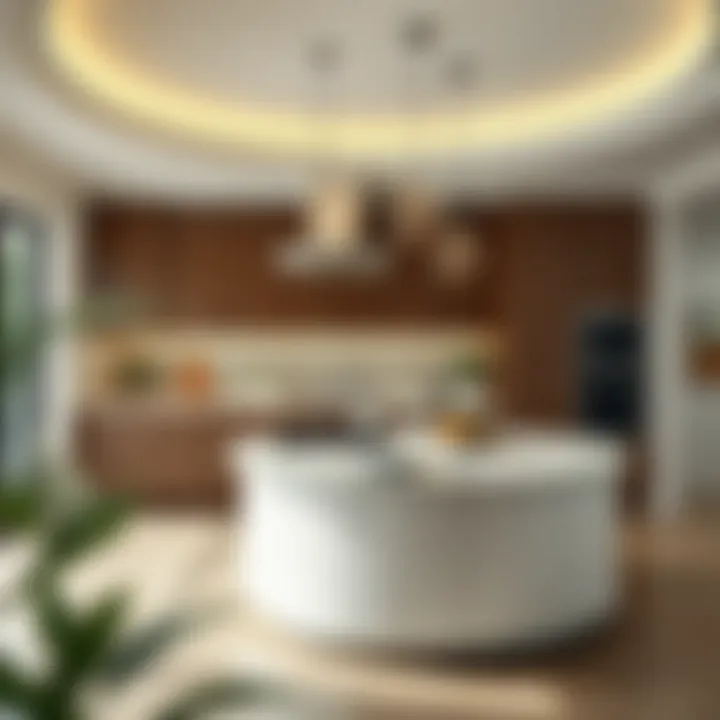
One notable trait of integrated appliances is their capacity to save on space and improve the kitchen's workflow. In a smaller kitchen, for instance, this prevents clutter and creates an open feel. On the flip side, installations can require more planning and may incur higher costs, depending on the appliance type and layout.
"Integrating appliances transforms not just the aesthetics but the entire cooking experience, facilitating a seamless transition between tasks."
Installation and Mobility Mechanics
In the realm of contemporary kitchen design, the installation and mobility mechanics of round kitchen islands on wheels cannot be overlooked. This crucial aspect goes beyond mere aesthetics; it influences the functionality and versatility of the kitchen space. If you're considering integrating a movable island, understanding the nuances of installation alongside mobility mechanics is essential for creating an efficient and dynamic environment.
Choosing the Right Casters
Selecting the appropriate casters for your round kitchen island is fundamental to its mobility. Casters are the unsung heroes of any mobile furniture; they determine how smoothly and safely your island can be maneuvered. Here are a few considerations:
- Weight Capacity: Each caster has a specific weight limit. Ensure that the combined weight of the island and any potential items on it does not exceed this limit.
- Type of Surface: Different casters work well on various surfaces. For instance, hard rubber casters glide effortlessly on tile or hardwood floors, while softer rubber is ideal for carpets.
- Locking Mechanism: Always opt for locking casters. They keep the island stationary when needed, which is especially important during meal preparation or when serving dishes.
- Height Adjustability: Some casters allow for height adjustments, making it easier to achieve the desired height for your island, ensuring it aligns perfectly with your countertops.
Stabilization Features
Once you've chosen the right casters, the next consideration is stabilization features. This is essential to balance mobility with safety. A round kitchen island must not only move smoothly but also remain stable when stationary. Look out for:
- Braking Systems: High-quality braking systems can add an extra layer of security. Ensure that when locked, the casters provide a solid foundation.
- Suction Cups: Some premium casters come equipped with suction cups that adhere to the floor, providing additional stabilization when the island is in use.
- Weight Distribution: Good design must distribute weight evenly across the island to prevent tipping, especially when the island is loaded with food and utensils.
Best Practices for Maintenance
Regular maintenance of your round kitchen island enhances not only its longevity but also its performance. A few straightforward practices can keep your island rolling smoothly:
- Clean the Casters: Dust and dirt can accumulate on the casters, impacting their functionality. A simple wipe-down with a damp cloth can work wonders.
- Lubrication: Periodically lubricate the wheels with a silicone spray to ensure they roll freely. This is a small step that can prevent wear and tear over time.
- Check for Damage: Regularly inspect the casters for signs of damage or wear. If you notice any cracks or warping, it may be time for a replacement.
Keeping these considerations and practices in mind will create a better experience with your round kitchen island on wheels. By addressing the details of installation and mobility mechanics, you ensure that your kitchen not only looks good but also functions exceptionally well.
"A well-installed island can be the difference between a chaotic kitchen and a culinary haven."
For further insights into kitchen design and mobility, consider visiting Wikipedia on Kitchen Islands or Britannica for Modern Kitchen Designs.
These resources provide valuable information that complements the practical knowledge gained here.
Styling the Round Kitchen Island
Styling a round kitchen island isn't merely about aesthetics; it's a fusion of function and form that can drastically enhance the cooking and dining experience. These islands act as hubs in the kitchen, often serving multiple purposes. When considering how to style them, it’s essential to harmonize with the overall kitchen design while making sure they serve their purpose effectively.
Complementary Furniture
Choosing the right complementary furniture is key to creating a united look. For example, if the island features a rustic wooden finish, pairing it with chairs or stools made of reclaimed wood can create a warm, inviting atmosphere. Conversely, opting for sleek metal stools can give a more contemporary feel to a minimalist kitchen. The key is to match textures and finishes.
- Use chairs with similar color tones to the island to maintain a cohesive look.
- Consider furniture that can be easily moved or tucked away, adding to the mobile nature of the island itself.
- Look at options for multi-purpose furniture, such as stools that double as storage.
By thinking through how each piece of furniture will interact with the round island, you can create a space that is both stylish and practical.
Lighting Considerations
Lighting can make or break the look of your kitchen island. Round islands benefit greatly from overhead lighting that draws the eye and highlights their shape. Pendant lights are an excellent option as they can add flair while providing necessary brightness for cooking or entertaining.
- Install lights that hang at the right height, ensuring they illuminate the island without causing obstructions.
- Consider dimmable options for flexible lighting tailored to various activities, whether cooking a gourmet meal or hosting friends.
- Incorporating LED strip lighting beneath the island can also create a modern aesthetic and provide additional functionality after dark.
Remember, the right lighting can accentuate the design of the island and enhance the kitchen's ambiance, making it feel more inviting.
Accessorizing with Decor
The final touch in styling lies in accessorizing with decor. A well-styled island can showcase personal taste and add character to the kitchen. Elements like fresh flowers, chic cookbooks, or handcrafted ceramics can make the area feel lived-in and welcoming. Likewise, they can provide hints of color that tie together your entire kitchen theme.
- Use decorative trays to neatly group items like oils and spices, which also serve a practical purpose.
- Incorporate seasonal decor; for instance, fresh fruit in a bowl during summer months can promote a fresh feel.
- Don't shy away from mixing and matching materials — the juxtaposition of glass, metal, and wood can create an intriguing visual effect.
Accessorizing is about striking a balance. Too much clutter can overwhelm the space, while too little can make it feel barren.
Through careful selection of accessories, the kitchen island transitions from a simple functional piece into a striking focal point, showcasing not just style, but also personality.
Incorporating Technology
In today's fast-paced lifestyle, the integration of technology within kitchen spaces isn't just a trend; it has become a fundamental requirement. Among the various innovations in modern kitchen design, round kitchen islands on wheels stand out not only for their mobility but also for how they seamlessly incorporate technology to enhance usability and efficiency. Embracing smart solutions in these islands offers myriad benefits that cater to the evolving needs of homeowners and professionals alike.
Smart Appliances
When it comes to designing a kitchen that is both functional and stylish, smart appliances play a pivotal role. Round kitchen islands on wheels can be equipped with these modern wonders, transforming ordinary cooking scenarios into cutting-edge culinary experiences. Imagine having a smart refrigerator built into the island, equipped with touch screens that can display recipes, keep track of your groceries, and even create meal plans based on what you have on hand. This not only saves time but reduces food waste by ensuring you're using what you bought.
Incorporating other smart appliances such as an induction cooktop or smart microwave into the island can further enhance cooking efficiency. These appliances often come with app connectivity, allowing you to control them remotely, set timers, and even monitor cooking progress from different parts of your home.
Charging Stations
In an age where devices are an extension of our daily lives, having dedicated charging stations in the round kitchen island becomes more of a necessity than a luxury. Integrating USB ports and wireless charging pads into the design not only keeps the kitchen organized but ensures that your devices are always powered up and ready to assist you when cooking or entertaining.
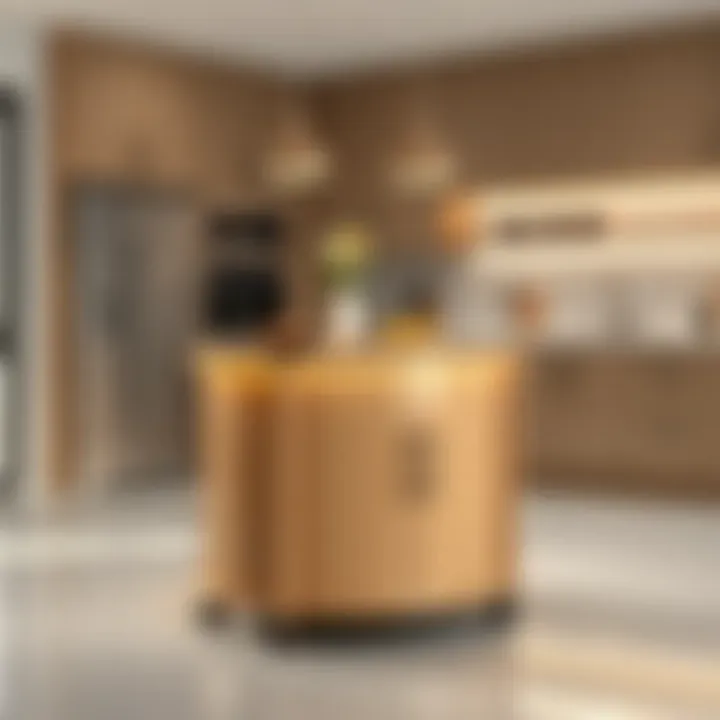
Imagine bustling around the kitchen, your phone in hand for that all-important recipe, and knowing it's charging right where you need it. This small yet impactful feature can help eliminate the clutter of chargers that typically crowd countertops. Plus, with the growing reliance on kitchen gadgets—from blenders to mixers—having these charging ports readily available allows for a smoother cooking experience.
"Incorporating technology into kitchen design fosters not only efficiency but also a more enjoyable cooking atmosphere, where ease meets sophistication."
By strategically planning the integration of smart appliances and charging stations, round kitchen islands on wheels can become the nexus of functionality and cutting-edge innovations, creating a modern kitchen that meets the demands of today’s households. Homeowners and designers can significantly enhance the value and experience of their kitchen spaces by considering these technological aspects during the design process.
Considerations for Different Kitchen Layouts
When it comes to round kitchen islands on wheels, understanding the layout of your kitchen is crucial. Each layout presents unique challenges and opportunities that can influence how effectively an island can be integrated into the space. These moveable islands can adapt to various settings, but knowing how to align them with your specific kitchen design can enhance functionality and style.
Open Concept Designs
Open concept designs have revolutionized the way we perceive kitchen spaces. These layouts eliminate barriers between the kitchen, dining, and living areas, creating a seamless transition from one area to another. In such designs, a round kitchen island can act as a central hub, promoting interaction among family members and guests. Due to its mobility, it can be easily repositioned to accommodate gatherings or personal preferences.
Key Considerations:
- Flow: Ensure that the island enables smooth traffic flow, avoiding any obstructions between the cooking area and dining space.
- Height and Size: Choose an island height that matches kitchen counter standards; this provides a comfortable dining experience and accommodates bar stools if needed.
- Versatile Use: Leverage the island for multiple functions—it can serve as a prep area, casual dining space, or even a mini-bar during social events.
Traditional Kitchen Layouts
In a more structured, traditional kitchen layout, the round kitchen island on wheels brings a touch of modernity without compromising the timeless design. The island can provide much-needed workspace and storage while adding to the aesthetic of the overall kitchen design. Correct placement is key, as these layouts often involve established paths for workflow.
Key Considerations:
- Placement: It should be centered adequately so that all work zones (cooking, washing, storage) remain accessible.
- Design Compatibility: Select materials and finishes that complement existing cabinetry and countertops for a cohesive feel.
- Storage Options: Consider using the island for additional storage by incorporating cabinets or open shelving beneath.
Galley Kitchens
In galley kitchens, where space can feel narrow and confined, a round kitchen island on wheels offers a practical solution without overwhelming the area. The flexibility of movement is particularly advantageous in these layouts, providing an opportunity to optimize the limited space.
Key Considerations:
- Compact Design: Ensure the island has a slim profile to allow for easy navigation.
- Utilizing Vertical Space: Aim for vertical storage solutions to keep the island clutter-free while maximizing efficiency.
- Interactive Cooking: With a movable island, you can create a configuration that encourages collaborative cooking experiences while maintaining an open atmosphere.
In all kitchen layouts, the strategic incorporation of a round kitchen island on wheels can profoundly enhance both functionality and flow.
Understanding these specific considerations allows homeowners, designers, and DIY enthusiasts to leverage the strengths of round kitchen islands effectively, tailoring each space to meet their unique needs.
Case Studies: Successful Round Kitchen Island Integrations
In the ever-evolving landscape of kitchen design, the incorporation of round kitchen islands on wheels offers a unique solution to modern living challenges. This section delves into case studies showcasing how these islands have been successfully integrated into various settings, both residential and commercial. By examining these real-life applications, we can better appreciate the benefits, functionalities, and aesthetic potentials that these mobile solutions provide in dynamic kitchen environments.
Residential Examples
In residential spaces, round kitchen islands serve not just as functional entities but also as focal points that elevate the room’s decor. For instance, a family in Austin, Texas redefined their open-concept home by adding a round island on casters. The versatility of moving the island allowed the family to adjust their layout according to their needs, whether entertaining guests or enjoying a quiet dinner. Here are a few key takeaways from their experience:
- Flexibility: The ability to move the island around made it easier to clean and rearrange the kitchen as needed.
- Social Hub: The island became a gathering spot for family and friends, promoting interaction and shared cooking experiences.
- Space Efficiency: By customizing the space, they maximized functionality without sacrificing style.
In another notable instance, a couple in Portland, Oregon embraced a minimalist aesthetic by incorporating a sleek, round island on wheels crafted from reclaimed wood. The island not only melded beautifully with their sustainable design philosophy but also came with hidden storage solutions. Specific elements included:
- Eco-Friendly Materials: Using reclaimed wood contributed to a more sustainable living environment.
- Storage Solutions: With shelves concealed underneath, the island provided additional storage without becoming intrusive.
- Enhanced Flow: The mobility of the island improved the overall flow of the kitchen, allowing for better movement while cooking.
Commercial Spaces
The commercial application of round kitchen islands on wheels presents a different set of opportunities. In a bustling café in San Francisco, the owner placed a round island at the center of an open kitchen concept. Here’s how the integration proved beneficial:
- Maximized Workflow: Just like a well-oiled machine, employees were able to move around the island with ease, preparing food while engaging with customers directly.
- Dynamic Menu: The flexibility to reposition the island allowed for quick alterations in food preparation areas based on the day’s specials, which made the kitchen agile and responsive.
- Cost-Effective: Investing in a mobile round island provided essential counter space without the commitment of fixed installations.
In a different scenario, a high-end catering business used a round kitchen island on wheels during events. This particular island was equipped with integrated appliances like portable stovetops and wine coolers. Advantages observed included:
- Event Versatility: The island adapted to various types of events, from formal dinners to casual buffets, enhancing service efficiency.
- Appealing Design: The stylish appearance drew attention, enhancing the ambiance of the events.
- Convenience: A mobile island meant fewer logistical concerns and simpler set-up and takedown processes.
Integrating round kitchen islands on wheels into residential and commercial designs not only enhances mobility but also transforms how spaces are used and experienced.
Future Trends in Kitchen Design
As homeowners and designers navigate the evolving landscape of kitchen aesthetics and functionality, the focus increasingly shifts towards innovative solutions that combine style and utility. Modern kitchen designs are not just about appearance; they're about creating an environment that reflects lifestyle choices while maximizing space and facilitating movement. Round kitchen islands on wheels are a paramount example of this trend, embodying flexibility and usability. The future of kitchen design, particularly through these movable islands, underscores the significance of adaptability in a space often at the heart of domestic life.
A key element of this trend is the growing emphasis on sustainable practices. As the world becomes more conscious of environmental impact, kitchens are transformed into areas that reflect green living. The integration of sustainable materials and energy-efficient appliances goes hand-in-hand with the rise of mobile solutions like round kitchen islands. These islands, often constructed from renewable resources or recycled materials, highlight a commitment to eco-friendly practices that resonate with many homeowners today.
Another vital trend is the innovations in mobility. Gone are the days when kitchen islands were fixed and static. The increasing popularity of features like wheels allows these islands to be effortlessly repositioned depending on the needs of the moment. This adaptability enhances the overall kitchen workflow. Whether you're prepping meals, hosting gatherings, or simply needing extra space to work, the ability to move your island can significantly improve the functionality of your kitchen.
Sustainable Practices
In light of ongoing environmental concerns, sustainable practices in kitchen design are pivotal. Design enthusiasts are now exploring materials such as bamboo, reclaimed wood, or even recycled metals for their kitchen islands. These choices not only reduce the carbon footprint but also offer unique aesthetics that can enhance the character of a space.
Incorporating low-VOC (volatile organic compounds) finishes and paints ensures better indoor air quality, making the kitchen safer for family members. Furthermore, energy-efficient appliances, when paired with mobile islands, contribute significantly to a more sustainable kitchen environment. Homeowners are encouraged to think critically about the lifecycle of materials and their impact.
Innovations in Mobility
When we talk about mobility in kitchen design, we open the door to a myriad of practical applications. Innovations in caster technology have led to more robust and user-friendly options that are not only practical but also stylish. Manufacturers are introducing wheels that lock securely in place, providing stability when needed while allowing for fluid movement when desired.
Beyond functionality, there is also an aesthetic aspect to these innovations. Designers can incorporate designer casters that complement the island's overall look, helping maintain a cohesive kitchen design. Homeowners can now have round kitchen islands that elevate not just the usability of the kitchen but also its visual appeal.
In summary, the future of kitchen design is marked by the integration of sustainable practices and innovations in mobility, with round kitchen islands on wheels at the forefront. These trends not only cater to evolving lifestyles but also speak to a deeper awareness of our impact on the environment. As the kitchen continues to be a dynamic hub of activity, these elements will play a crucial role in shaping how kitchens are designed and used in the years to come.