The Role of Simple Rectangular Mirrors in Interior Design
Intro
In the world of interior design, simplicity often speaks volumes. Simple rectangular mirrors stand as a testament to this principle, wielding power that transcends mere decoration. Their presence transforms not just the visual appeal of a room but also influences how we perceive space. Within this narrative, we shall delve into the various dimensions of these unsung heroes of design, from enhancing aesthetics to spatial manipulation.
Mirrors serve as windows to a wider perspective, inviting light and vitality into otherwise dull corners. As we unravel their significance, we will touch upon practical applications, optimal placements, and even the psychological nuances behind reflective surfaces.
Prepare to explore how these seemingly basic elements can redefine any interior. They aren't just functional tools; they are transformative assets woven intricately into the fabric of thoughtful design.
Furniture Design Trends
Current Trends in Furniture Design
Current trends are leaning ever more toward creating harmonious relationships between furniture and accessories, with mirrors taking center stage. Designers today emphasize versatility and functionality. Minimalism continues to reign, with clean lines and open spaces allowing mirrors to shine. A rectangular mirror, for instance, works beautifully above a sleek console table, reflecting not just the surroundings but also enhancing the sense of openness.
Moreover, layering has emerged as a go-to design technique, and rectangular mirrors play a crucial role here. By placing mirrors strategically to reflect various elements in a room, one can achieve a greater depth of character. In smaller apartments and cozy homes, these mirrors multiply light and create illusions of expansive vistas, making cramped quarters feel spacious and inviting.
- The Influence of Vintage Styles: Modern trends are also appreciating the beauty of vintage designs. Antique or distressed finishes on simple rectangular shapes lend historical charm, bridging new styles with time-honored aesthetics.
- Integration with Nature: Another trend is the integration of natural materials. Think wood frames made from reclaimed timber that dance with simplicity while making a statement.
Influential Designers and Their Styles
Several interior designers have paid special attention to the role of mirrors in their work. For example, Kelly Wearstler has a knack for mixing boldness with simplicity. Her projects often showcase rectangular mirrors that act as focal points without overpowering the design.
Jean-Louis Deniot brings a classical elegance to contemporary spaces. His skillful use of mirrors is evident in his projects, blurring the lines between furniture and art. In essence, these designers show how reflecting surfaces can complement existing furniture while enhancing a room's architectural features.
"The right mirror can become an art piece, merging beautifully with both minimalist and maximalist styles."
By recognizing the contributions of simple rectangular mirrors, we understand their indispensable role in modern design. They are not merely functional; they encapsulate trends and styles, proving themselves essential tools for designers and homeowners alike.
Prologue to Simple Rectangular Mirrors
When discussing interior design, the humble rectangular mirror often doesn’t receive the spotlight it deserves. However, its role in shaping spatial dynamics and enhancing the aesthetics of a room is anything but minor. Simple rectangular mirrors can transform the character of spaces, serving as both practical tools and decorative elements. In this article, we will thoroughly explore how these mirrors can elevate the design of various settings, revealing their multifaceted nature.
A key element of this exploration is understanding how these mirrors reflect their environments—not merely in the physical sense but also in the emotional and psychological implications they carry. Homeowners and designers should grasp the significance of integrating mirrors effectively within their spaces.
Definition and Characteristics
Simple rectangular mirrors are defined by their basic geometric shape, which allows for versatility in placement and style. They typically come with minimalistic frames or even none at all, focusing on functionality while complementing a variety of design aesthetics. Their surfaces provide clear reflections, making them ideal for practical use in bathrooms, bedrooms, and living areas.
Characteristics include the ease with which they can be incorporated into existing decor. For instance, a sleek, frameless rectangular mirror can blend seamlessly into modern spaces, whereas a framed version may lend a touch of elegance to more traditional settings. The beauty of these mirrors is their adaptability—from large statement pieces above a fireplace to smaller models used in gallery walls.
Historical Context
Rectangular mirrors have a long history that ties back to ancient civilizations. In the past, mirrors were considered luxury items, often crafted from polished metals or glass. The design and technology around mirrors evolved significantly during the Renaissance period, leading to the production of clearer, high-quality glass mirrors that became more accessible to a broader audience.
As interior design evolved, so did the use of mirrors. By the 19th century, mirrors began to appear extensively in homes, primarily not just for utility but also for decor. They became vital to the aesthetic sensibility of a room, being used to create illusions of larger spaces or to reflect light in dim areas. Today, the journey of the rectangular mirror through history informs its current relevance in home decor, highlighting its extremely rich legacy and timeless appeal that resonates with various interests—from traditional styles to modern minimalist trends.
Functional Aspects of Mirrors
Mirrors serve various purposes that go beyond mere reflection. They play a critical role in the art of interior design, enhancing functionality in ways that subtly elevate any space. The functional aspects of mirrors are essential for creating an environment that feels open, airy, and well-lit. Aspects such as reflective properties, light manipulation, and spatial enhancement contribute to the overall experience of a room. Let's explore these elements further.
Reflective Properties
The basic function of a mirror is to reflect. Yet, not all reflections are created equal. A simple rectangular mirror captures light in a way that can transform the look and feel of a space. When positioned thoughtfully, these mirrors can reflect not only images but also ambient light, brightening areas that may otherwise feel dim. For instance, placing a mirror opposite a window allows natural light to bounce around the room, providing a soft illumination that no lamp can replicate.
Moreover, the clarity and quality of the reflection matter. High-quality glass reflects true color and detail, while cheaper alternatives may distort images. A well-chosen mirror can create a focal point, drawing attention and guiding the eye through a space, ultimately enhancing the overall atmosphere.
Illumination and Light Manipulation
Mirrors are extraordinary tools for light manipulation. They can be strategically arranged to maximize daylight or amplify artificial lighting. For example, in a room where natural light is scarce, one might place a rectangular mirror close to a source of light, such as a lamp or candle. This not only reflects the light but also spreads it out, creating a warm and inviting ambiance.
Also, mirrors can add depth to illumination effects. When used as part of a layered lighting scheme, they can help to create zones within a room. Think about using a mirror above a side table: it can intensify the glow of a nearby table lamp while also reflecting the surrounding decor and furnishings.

Key points to consider for illumination:
- Place mirrors near light sources for increased brightness.
- Use multiple mirrors to create a dance of light in larger spaces.
- Be aware of the angle of reflection to avoid glare.
Spatial Perception Enhancement
One of the remarkable attributes of simple rectangular mirrors is their ability to alter spatial perception. This characteristic can be particularly beneficial in small areas, where every inch counts. A well-placed mirror can give the illusion of a larger room, making cramped locations feel more spacious.
For instance, consider a narrow hallway. By installing a mirror at the far end, it tricks the eye into perceiving that the hallway extends further than it actually does. Similarly, in a small bathroom, installing a large rectangular mirror over the sink can create the sense of a wider and more open environment.
Additional benefits include:
- Enhancing the connection between rooms by reflecting adjacent spaces.
- Creating a sense of flow and continuity in otherwise segmented areas.
- Encouraging a sense of openness, especially in homes with limited natural light.
"Mirrors not just reflect our image; they alter our perception of space, light, and even mood. The intelligent use of mirrors can change atmosphere in any room considerably."
By applying these functional aspects, interior designers can harness the power of simple rectangular mirrors to not only elevate the aesthetic of spaces but also enrich the user's experience within those environments. Incorporating mirrors thoughtfully can open up possibilities for design that may not have been considered before.
For further insights into light and space dynamics, consider resources from Britannica or Wikipedia.
As we explore the next dimensions of mirrors in interior design, understanding these functional elements lays the groundwork for appreciating their deeper aesthetic and psychological impacts.
Aesthetic Contributions of Mirrors
Mirrors are not just functional objects; they are also essential for enhancing the overall aesthetic of a space. Understanding their contribution goes beyond mere reflection; it delves into the interplay between beauty and practicality. In this section, we will explore how mirrors serve as versatile design elements, their stylistic adaptability, and the various framing options that can elevate the ambiance of any room.
Style Versatility
Simple rectangular mirrors can fit seamlessly into an array of different design aesthetics. Whether one leans towards sleek modernism or embraces bohemian charm, these mirrors can complement any style. With their clean lines and uncomplicated forms, they possess an intriguing ability to unify disparate elements within a room. You could pair a rectangular mirror with a typically ornate sofa to strike a balance between classic and contemporary.
Examples of Style Pairing:
- Modern Minimalist: A bare wall features a large, unframed rectangular mirror that provides an open feel to the area.
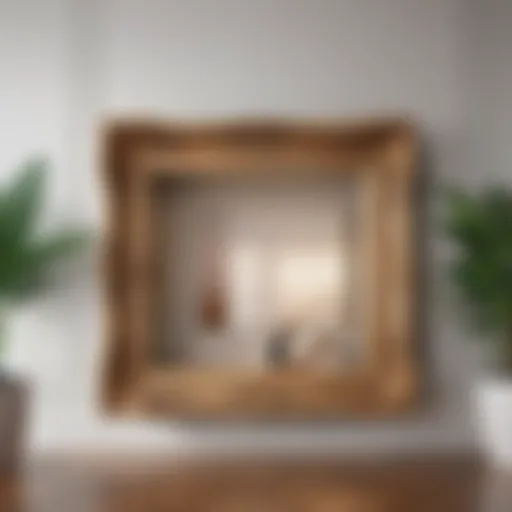
- Rustic Vibe: A wooden-framed rectangular mirror enhances a rustic decor with its natural finish, highlighting warmth and simplicity.
- Industrial Chic: Metal-frame mirrors work perfectly in loft-like spaces, where they add a touch of edginess while still serving the reflective purpose.
- Eclectic Settings: Mix and match with colorful artwork or patterned wallpapers and use rectangular mirrors to ground the look.
The versatility in styles means that one type of mirror can adapt to changing tastes. Moreover, trends may shift, but the ability of rectangular mirrors to mold to various aesthetics ensures their enduring relevance.
Framing and Design Variations
The frames surrounding mirrors serve as vital extensions of their aesthetic appeal. Rectangular mirrors can be dressed up in numerous styles—from ultra-sleek to attention-grabbing designs. The frame can define the character of the mirror just as much as the mirror's reflective surface does. The choice of materials, colors, and patterns used in framing can dramatically influence the mood and style of a space.
Consider the following approaches to framing and design variations:
- Wood Frames: Ideal for a warm, organic look, wood frames can be stained or painted to match existing decor. These are particularly suitable for family rooms and cozy nooks.
- Metal Frames: Shine a spotlight on industrial and modern aesthetics. Sleek metal can be polished or brushed, depending on the desired finish.
- Ornate Designs: Adding decorative elements like carvings or embellishments can transform a simple mirror into a unique focal point, lending an air of sophistication.
- Color Splash: Painted frames in bold hues can serve as vibrant accents, giving a playful twist to the environment, particularly in children’s rooms or creative spaces.
These variations can completely change the perception of a mirror, allowing it to be perceived as art rather than just a functional item.
Psychological Impacts of Mirrors
In the realm of interior design, mirrors serve more than just reflective purposes; they create a profound impact on our psyche and the ambiance within a space. Understanding the psychological effects of mirrors is crucial for decorators and homeowners alike, as it allows the strategic placement of this element to enhance emotional well-being, shape mood, and alter perception. This section dives into how mirrors not only broaden visual aesthetics but also influence our daily experiences within our homes.
Influence on Mood and Perception
Mirrors can be likened to silent confidants in our living spaces, influencing how we feel and perceive our surroundings. The mere presence of a mirror can evoke varied emotions, depending on factors such as placement, size, and even the frame design.
- Light and Brightness: A strategically placed mirror can bounce light around a room, creating a bright and inviting atmosphere that uplifts spirits. Sunlight reflected off a simple rectangular mirror can invigorate a dull corner or a gloomy room. This effect can be likened to opening a window to fresh air, enriching not only the space but also the mood of those who occupy it.
- Self-Reflection and Self-Image: A mirror doesn’t just reflect the physical self but can also impact how one views themselves. Research indicates that the act of looking in a mirror can bolster self-confidence, allowing individuals to appreciate their appearance and cultivate a positive self-image. It’s essential to consider the emotional weight this has, especially in spaces like bedrooms and bathrooms where personal grooming occurs.
- Cultural Relevance: In various cultures, mirrors hold deep meanings, often associated with self-discovery and introspection. By incorporating mirrors with cultural significance, one can create spaces that resonate deeply with residents and visitors alike, enriching the environment with not only aesthetic value but also emotional relevance.
Reflectively, it’s evident that mirrors can play a vital role in shaping our mood and perception of a space. The next step in understanding their importance is to explore how they can fabricate illusions that transform our environment.
Creating Illusions of Space
Mirrors have a unique ability to manipulate our perception of space, turning a cramped area into an expanse. This psychological illusion is particularly valuable to those in smaller living spaces or to individuals seeking to create a sense of grandeur in their interiors.
- Expanding Perceptions: Positioning a rectangular mirror directly across from a window allows not only the enhancement of light but can also provide the illusion of an extended view. This clever optical trick makes a room feel larger and more open, which is especially useful in city apartments where space can be limited.
- Creating Depth: Mirrors can also serve as a canvas of depth. By placing a mirror at the far end of a corridor or in a small nook, it draws the eye and tricks the brain into perceiving a deeper space. This principle can be creatively used in passageways or narrow areas needing a sense of openness.
- Layering Elements: Mirrors can also add layers to a room’s decor, reflecting surrounding colors, furniture, and textures, thus creating depth and complexity. It can echo the beauty of existing items, making a room feel curated and intentional while keeping the room’s aesthetic alive.


"When you use mirrors as design elements, you’re not just placing a reflective surface; you’re creating an expansive dialogue with space itself."
In brief, the potential for mirrors to impact our mood and perception is substantial. They do not merely function as reflective surfaces but as instruments that transform space and self-understanding in the most nuanced ways. Their effects extend beyond the superficial, inviting designers and homeowners alike to be mindful of their integration into the domestic spheres.
Practical Considerations for Mirror Placement
When designing a space, the placement of mirrors can make or break the overall aesthetic and functionality of a room. Simple rectangular mirrors, in particular, can enhance various elements within a space, from illuminating dark corners to creating the illusion of expanded rooms. It’s not just about hanging a mirror on a wall; it requires thoughtful consideration and a strategic approach to maximize their effectiveness.
Strategic Locations in the Home
Identifying the right spots for mirrors can transform the feel of a room entirely. A common effective practice is to install mirrors opposite windows. This arrangement captures natural light, allowing it to bounce off and illuminate various corners. In doing so, it creates a warm, inviting ambience. In smaller spaces like hallways or bathrooms, the clever use of mirrors can help make cramped areas feel less claustrophobic. It's like opening a window to your room, even when there isn't one.
"Mirrors bring the outdoors in by reflecting light and landscapes, making spaces lively and vibrant."
Other spots to consider for mirror placement:
- Above furniture: A mirror above a console table or sofa can add depth to living rooms without overwhelming the decor.
- Entrance areas: Placing a mirror near the front door gives a quick assess before stepping out, also making the entryway feel larger.
- Dining areas: A strategic mirror above a dining table can create an illusion of space and amplify decorative elements like candlelight.
Balancing Symmetry and Asymmetry
Understanding how to balance mirrors in your decor is crucial. While symmetrical arrangements bring a sense of order, asymmetry can create a more dynamic interaction within the space. For instance, consider flanking a rectangular mirror with wall sconces or artwork on either side; this symmetry can create a focal point that draws the eye.
On the flip side, placing a mirror in an eclectic gallery wall can enhance the visual excitement without overshadowing the art.
Balancing the two can often feel like walking a tightrope; it’s about finding that sweet spot where mirrors complement the surrounding decor rather than dominate it.
Avoiding Common Mistakes
It’s easy to misstep when incorporating mirrors into interior design. Some common pitfalls include:
- Hanging mirrors too high: A mirror should be positioned to be comfortably at eye level. This ensures they are functional while also providing a pleasing aesthetic.
- Overcrowding: Placing too many mirrors in a single space can lead to a sense of chaos. They should accentuate, not overwhelm.
- Ignoring reflectivity: Consider what the mirror reflects. You don’t want it to show clutter or unappealing views, select reflective angles wisely.
Tips to consider for optimal placement:
- Evaluate lighting: Understand how natural and artificial light will interact with the mirror.
- Think about scale: Ensure the size of the mirror is proportionate to the wall or furniture it complements.
- Experiment: Don’t be afraid to move things around until the arrangement feels just right.
With careful thought about placement, balancing aesthetics, and avoiding common errors, mirrors can significantly elevate the quality of an interior space. Embracing these practical considerations ensures that rectangular mirrors fulfill their role as not just decorative pieces but as essential components of a well-designed home.
Integration with Furniture Styles
Integrating simple rectangular mirrors with various furniture styles plays a pivotal role in how spaces are visually perceived and functionally utilized. The choice of mirror as a decorative element does not only reflect the environment but also complements the aesthetic narrative of a room. When mirrors harmonize with the surrounding furniture and decor, they can enhance the overall cohesion of a space. This element of design makes it crucial for homeowners, decorators, and even retailers to thoughtfully consider the interplay between mirrors and furniture styles.
Industrial and Minimalist Spaces
In industrial and minimalist interiors, simple rectangular mirrors serve as an unobtrusive yet striking addition. These spaces often emphasize raw materials and clean lines. Here, the use of mirrors can underscore the minimalist ethos by reflecting light and creating the illusion of greater space without overtaking the aesthetic. For example, a large rectangular mirror with a thin metal frame can echo the ruggedness of exposed brick or concrete walls, seamlessly blending practicality with industrial design.
- Visual Continuity: Mirrors provide visual relief against heavy materials, adding to the lightness of the room.
- Space Enhancement: In smaller industrial flats, placing a mirror opposite a window can brighten the area considerably, pulling more natural light into the room.
- Functional Decor: They can act as focal points without demanding attention, maintaining the serene ambiance typical of minimalism.
Balancing function and design is essential. When selecting mirrors for these spaces, it's invaluable to consider the texture, shape, and finish of both the mirror and adjacent furniture, ensuring they complement each other rather than clash.
Traditional and Eclectic Styles
In contrast, the application of simple rectangular mirrors in traditional and eclectic styles can be a game changer. These styles often celebrate rich textures, ornate patterns, and contrasts in color and silhouettes. Here, mirrors serve not just as reflections but as statements of artistic flair.
- Adding Depth: A tall rectangular mirror in a vintage frame can elevate the elegance of a classic decor while also creating the illusion of more depth in a narrow hallway.
- Eclectic Boldness: For those who embrace eclectic styles, an oversized mirror can serve as a canvas for creativity, reflecting various textures and colors of furniture and textile choices that populate the room. The reflection of diverse elements introduces an interesting dialog that captures attention.
- Coordinate with History: When integrating mirrors into a traditional setting, the frame’s architectural details can complement the period styles of furniture, from baroque to mid-century modern.
Balancing Act of Style and Function
The key is achieving balance—where style meets function in a way that resonates with the viewer. Integratively applied, mirrors are not just add-ons; they are carefully curated elements that enhance the story of a space.
"Choosing the right mirror involves understanding not only its placement but also how it interacts with other design elements surrounding it. An informed choice leads to a harmonious living environment."
When one reflects upon the idea of integrating mirrors with different furniture styles, it becomes clear that this is no mere decorative choice—it's about crafting an experience and defining space within the home. By taking these factors into account, designers and homeowners can transform simple rectangles into dynamic reflections of personal style.
Mirror Maintenance and Care
Caring for mirrors, particularly simple rectangular ones, is pivotal for maintaining not only their visual clarity but also their overall longevity. Just like a cherished painting or an elegant piece of furniture, mirrors deserve attention in order to preserve their aesthetic appeal and functional purpose. This section lays out the importance of proper maintenance practices and highlights key considerations to keep your mirrors in prime condition.
Cleaning Best Practices
Cleaning mirrors might seem straightforward, however, doing it right can make a world of difference. Here are some best practices to follow:
- Use a Soft Cloth: Employ a microfiber cloth or a soft, lint-free fabric. This helps reduce streaks and avoids scratching the surface.
- Choose the Right Cleaner: Opt for a gentle, ammonia-free glass cleaner. You can also create a simple yet effective mixture at home by blending equal parts of vinegar and water. Applying the cleaner with a spray bottle facilitates even distribution.
- Wipe in Circular Motions: Start cleaning from the top and move downwards, using circular motions. This prevents tracking dirt and maintains an even shine.
- Avoid Excess Water and Harsh Chemicals: Too much water can seep into the frame, causing damage, while acids or abrasives can ruin the reflective coating.
"Treat your mirror like a reflection of yourself; care for it and it shall reflect your finest qualities."
Preserving Frame Quality
While the reflective surface catches the eye, the frame itself plays a crucial role in enhancing the overall look of the mirror. Here are several tips to maintain both the appearance and integrity of the frame:
- Dust Regularly: Just as you would dust your furniture, keep the mirror frame free from dust accumulation. A soft, dry cloth provides a gentle touch.
- Watch the Environment: Place mirrors away from direct sunlight and humidity, as these can warp wood frames or fade colors.
- Check for Damage: Occasionally inspect the frame for any chips or wear. Early detection allows for timely repairs that can save on costly replacements later.
- Be Mindful of the Material: Different materials like wood, metal, or plastic require various care. For wooden frames, consider using wood polish suitable for the type of wood, while metal frames can benefit from a light polish to maintain their shine.
By implementing these practices, homeowners and designers alike can ensure that their mirrors not only serve their purpose but also enhance the spaces they occupy for years to come.
Creative Uses of Rectangular Mirrors
Simple rectangular mirrors can be a game-changer in interior design, yet their full potential often goes untapped. Their straightforward shape allows for diverse applications that extend beyond mere reflection. When employed creatively, these mirrors not only brighten rooms but also transform spaces in ways that captivate and engage. Let’s dive deep into some compelling uses that can bring life to ordinary interiors.
Artistic Installations
Rectangular mirrors serve as a canvas for creativity. When positioned thoughtfully, they become more than just functional decor; they become focal points of artistic expression. Imagine a gallery wall where several rectangular mirrors of varying sizes and frames are arranged asymmetrically. This not only reflects light but also creates a dynamic visual flow, drawing the eye in and giving the illusion of depth.
Additionally, mirrors can be used in conjunction with other art forms. A rectangular mirror can be framed with reclaimed wood or adorned with decorative elements, turning it into a standalone piece. Such an installation encourages an interplay of reflections, either capturing the essence of surrounding artworks or amplifying the overall ambiance of the room.
"Art is not what you see, but what you make others see." - Edgar Degas
In outdoor settings as well, mirrors can enhance landscaping. Incorporating a large rectangular mirror into a garden can create the illusion of more greenery and space, adding an unexpected twist to well-trod designs.
DIY Inspiration and Projects
For the hands-on homeowner or ardent decorator, simple rectangular mirrors offer an inspiring opportunity for DIY projects. Not only are these projects often cost-effective, but they also provide a sense of satisfaction and uniqueness. One popular DIY approach involves creating a custom mirror frame. With just a bit of wood, paint, and creativity, a basic rectangular mirror can be transformed into an eye-catching piece that complements the overall decor of any room.
Another idea would be to modularize some smaller rectangular mirrors into a larger design. Using a geometric layout to arrange multiple mirrors, one can create a distinctive statement wall that invites curiosity. This kind of setup serves dual functions — as an engaging art piece and as a way to maximize light reflection in a dark spot.
Other projects could incorporate elements like fairy lights or fabric-wrap to elevate mirror design for specific moods or seasonal changes. Swapping out a plain rectangular mirror with a personalized one offers renewability to space without excessive costs, making this approach particularly practical.
Ultimately, the potential for creativity with rectangular mirrors is virtually limitless. From small tweaks in arrangement to grand artistic endeavors, these versatile pieces can enhance any type of interior setting. Embracing their multifaceted role not only speaks to individual style but also adapts to one's evolving design narrative.
The End: The Enduring Appeal of Rectangular Mirrors
In the realm of interior design, simple rectangular mirrors hold a timeless vestibule of value. They have not only carved out their niche as functional pieces but have also shaped the aesthetic and emotional landscape of the spaces we inhabit. Their crisp, geometric lines and reflective surfaces offer an endless variety of applications in home decor, making them indispensable elements in enhancing the beauty and functionality of a room.
The benefits of incorporating rectangular mirrors go beyond mere reflection. First and foremost, they improve lighting. A well-placed mirror can bounce natural light around a room, creating an illusion of openness, especially in smaller spaces. This effect can be particularly pronounced in darker corners or rooms that might lack adequate windows. The strategic utilization of mirrors, therefore, can significantly enhance the perceived brightness and spaciousness of any environment.
Moreover, these mirrors serve as visual anchors in design. They can serve to define areas within an open layout, making them essential in modern homes where space needs to function in multiple capacities. Whether used in a lavish entryway, a cozy living room, or an intimate bedroom, rectangular mirrors can harmonize different design elements, bringing coherence to the overall aesthetic.
Additionally, rectangular mirrors can contribute significantly to the psychological aspect of a room. The clarity of the reflections can do wonders for mood, often creating a sense of calm and order. They invite light and energy into the space, feeling like a conduit between the outside world and the intimate interior.
Finally, the adaptability of simple rectangular mirrors cannot be overstated. From minimalist styles that embrace simplicity to extravagant decor choices that play with ornate frames, these mirrors can be tailored to fit virtually any design ethos, making them ever-relevant in evolving trends.
"The beauty of a simple rectangular mirror lies not just in its reflection, but in its ability to transform the essence of a space."
In summary, the enduring appeal of rectangular mirrors in interior design lies in their effortless ability to enhance spaces, both functionally and aesthetically. They invite exploration and innovation, encouraging designers to think outside the box, effectively turning a simple reflective surface into a cornerstone of decor.
Summary of Key Insights
- Functional Enhancer: Rectangular mirrors improve lighting quality and spatial perception, making rooms feel larger and more illuminated.
- Design Cohesion: They act as visual anchors, bringing harmony and coherence to varying interior themes.
- Psychological Influence: The reflective quality can uplift moods and offer a sense of calm.
- Adaptability: Suited for various design styles, they can easily compliment or contrast with surrounding decor elements.
Encouragement for Personal Exploration
For those passionate about interior design or even just looking to revamp their own spaces, incorporating simple rectangular mirrors can yield rewarding results. Don’t shy away from experimenting with different placements. Try them in unexpected locations, such as above a fireplace or layered with artwork for a striking visual effect. You might find that even the simplest arrangement can yield profound changes in ambiance.
Consider your space's color palette and how a mirror's frame may either blend in or stand out, adding personality and style. Keep in mind the size and scale of your mirrors relative to other furniture; a sizable mirror can act as a statement piece, while a cluster of smaller ones may create a gallery-like feel.
Ultimately, trust your instincts when styling with mirrors. Each reflective surface offers an opportunity to infuse your personality into your decor. Your home should be a reflection of you, and the right mirror can help accomplish that with grace and style. Take a leap, let creativity guide you, and embrace the transformative potential of simple rectangular mirrors.