Exploring the Allure of Small Blue Ceramic Planters


Intro
The small blue ceramic planter holds more than just a space for soil and plants; its unique qualities and attributes resonate with a variety of audiences from interior designers to homeowners. In an era where aesthetics meld with practical design, this charming piece stands out, capturing attention with its vibrant color and elegant form. Its appeal goes beyond mere decoration; it embodies a fusion of culture, modern design, and sustainable practices that enrich both living spaces and the human experience. To truly grasp its significance, we’ll delve into furniture design trends that elevate its presence, explore sustainable practices that promote conscientious decor, and ultimately, paint a comprehensive picture of how this planter fits into the larger narrative of contemporary interior design.
Furniture Design Trends
Current Trends in Furniture Design
As contemporary design evolves, bringing life to spaces, the small blue ceramic planter emerges as a quintessential element in modern homes. The current trends in furniture design lean towards minimalism, natural materials, and bold colors. Designers are increasingly favoring pieces that not only serve a function but also bring joy and individuality into a room.
The shift towards nature-inspired elements in interior decor is no coincidence. Homeowners are embracing biophilic design, which emphasizes a connection with nature. Here, the small blue ceramic planter fits right into the picture, embodying that earthy charm with its vibrant hue. Whether set against a neutral backdrop or a colorful wall, this planter injects personality and warmth into spaces, making it a favorite among decorators.
Influential Designers and Their Styles
To appreciate how such a seemingly simple item has gained prominence, one must acknowledge the influential designers steering the ship of modern aesthetics. Names such as Philippe Starck and Patricia Urquiola have been pivotal in shaping trends that blend form and function smoothly.
- Philippe Starck is known for his whimsical and playful approach, often injecting humor into his designs which resonate with both functionality and fun. His influence can often be seen in vibrant planters that serve as conversation starters.
- Patricia Urquiola, on the other hand, focuses on combining traditional craftsmanship with modern sensibilities. Through her pieces, she highlights the beauty of local materials and techniques, encouraging a return to roots, much like the artisanal qualities of ceramic planters.
The interplay of these designers' styles supports the notion that a small blue ceramic planter can stand as both a functional accessory and a statement piece. As they frequently remind us, every piece holds potential when thoughtfully designed and curated.
Sustainable Practices in Furniture
Eco-friendly Materials and Techniques
With increasing awareness around climate change and sustainability, the movement towards eco-friendliness in furniture design cannot be overlooked. Consumers are stepping away from mass-produced items and gravitating towards those that are sustainable and ethically made. Small blue ceramic planters come in as eco-conscious contenders, crafted from materials that often cause less harm to the environment.
The clay used in these planters can be sourced locally, which diminishes the carbon footprint associated with transportation. Additionally, many artisans adhere to firing techniques that use less energy. Thus, these planters not only serve their purpose of housing plants but also reflect a commitment to sustainable practices.
Benefits of Sustainable Furniture Choices
Opting for sustainable decor items goes beyond aesthetics; they carry intrinsic benefits valuing quality over quantity. A small blue ceramic planter, made with care and precision, often lasts longer than its less sustainable counterparts, saving resources in the long run.
Clients can enjoy numerous advantages:
- Durability: High-quality materials result in longer-lasting products.
- Personal Touch: Many sustainable items are hand-crafted, adding uniqueness.
- Environmental Impact: Choosing these products helps to reduce waste and pollution.
In summary, the charm of the small blue ceramic planter encapsulates more than just style. It serves as a gateway into discussions on design, sustainability, and cultural significance, reinforcing the idea that our decor choices can reflect our values.
For more on furniture design trends and sustainability, check out relevant articles on Wikipedia and Britannica.
"Every piece has a story to tell; it's up to us to listen and adapt it to our spaces."
As we explore the intersection of these themes, the roles that personal expression and conscientious living play in our decor choices become crystal clear.
Intro to Small Blue Ceramic Planters
Small blue ceramic planters offer a unique intersection of artistry and practicality, bringing character and charm to any space they inhabit. Their compact form allows them to seamlessly fit into various settings, whether on a kitchen windowsill or a small office desk. With a range of styles and designs, these planters not only showcase botanicals but also serve as decorative accents that can elevate the overall aesthetic of a room.
One of the most compelling aspects of small blue ceramic planters is their versatility. They can easily complement a modern minimalist ambiance or add a splash of color to a rustic interior. Homeowners and designers alike appreciate how these planters can harmonize with a wide array of decor styles, making them an essential component in the toolkit of indoor gardening and interior design.
Beyond aesthetics, small blue ceramic planters also embody an eco-conscious mindset. The increasing awareness of sustainable choices has led many to seek out planters that are made from responsibly sourced materials with minimal environmental impact. This article will delve into the qualities that make these planters not just a pretty accessory, but a purposeful addition to homes and workplaces.
Defining the Small Blue Ceramic Planter
Small blue ceramic planters can be defined as decorative containers made primarily from clay and glazed to achieve a soft blue finish. Their size, typically ranging from four to ten inches in diameter, caters to numerous indoor plants, making them adaptable for several types of greenery, from succulents to flowering plants. The ceramic material is valued for its durability, offering sturdiness while allowing for a certain amount of breathability, which is essential for plant health.
These planters are often crafted using both traditional hand-building techniques and modern manufacturing methods. Handcrafted versions may showcase unique patterns or markings, adding a distinct charm that mass-produced options might lack. Furthermore, their slightly glossy surface not only enhances their visual appeal but also aids in water retention, benefiting the plants stored inside.
Historical Context
The history of ceramic planters dates back thousands of years, with civilizations like the Chinese and Egyptians using them for both practical and aesthetic purposes. Blue pottery holds a significant place in this historical narrative, known for its striking color and intricate designs. The renowned blue and white porcelain from the Ming dynasty exemplifies how cultures utilized this hue to symbolize prosperity and tranquility.
In a more contemporary setting, the small blue ceramic planter has evolved in design and function, influenced by artisanal movements and modern design principles. Artisans have revived traditional techniques while incorporating new design philosophies. This blend of past and present illustrates the enduring appeal of the small blue ceramic planter, as it becomes not just a vessel for plants, but a statement piece that connects with a rich heritage of artistry and craftsmanship.
Design Elements
The design elements of the small blue ceramic planter significantly contribute to its allure and functionality, making it an object of admiration in both practical and decorative contexts. A thoughtful approach to design not only enhances the aesthetic value of the planter but also plays a crucial role in its usability and the type of ambiance it creates. Below, we explore the various aspects of design that elevate the small blue ceramic planter in modern decor.
Shape and Size Variations
When it comes to small blue ceramic planters, shape and size can vary drastically, offering a range of options for different settings. From traditional rounded forms to sleek geometric cuts, each design tells a story of its purpose and aesthetic appeal.
- Rounded Planters: These are perhaps the most common and offer a soft, inviting look that fits well in casual environments. They're perfect for plants that enjoy being cozy, like succulents or small ferns.
- Square and Rectangular Planters: Less traditional but equally appealing. These shapes give a modern touch and are often used in urban environments, providing a striking presence that complements contemporary decor. They work well for herbs or small flowering plants, allowing for easier integration into tight spaces.
- Tall and Narrow Designs: Great for those looking to use vertical space effectively. Tall planters can add height to a display without taking up much room. They suit environments where floor space is limited, making them ideal for window sills or shelves.
Moreover, selecting the right size for your space is crucial. A planter too small may get lost in the crowd, while one that's too large could overwhelm a room. Consider scale; a well-placed planter can create balance rather than chaos.
Color Psychology
The color of any decorative item can have a profound impact on mood and perception. The blue hue of ceramic planters is particularly special, as it invokes feelings of peace and serenity, reflective of open skies and deep oceans. Various shades of blue also resonate differently:
- Light Blue: Often perceived as calming, it can create a sense of tranquility within a room. This shade is particularly suited for bedrooms or spaces designated for relaxation.
- Dark Navy Blue: This deeper shade lends an air of elegance and sophistication. It can ground a room and make a striking statement, especially in more formal settings.
- Turquoise or Teal Variants: These lively shades may evoke feelings of creativity and inspiration. Their vibrant undertones can enlivens any space, making them fantastic choices for creative workspaces or children’s rooms.
Understanding how colors influence human emotions can be beneficial when selecting the appropriate planter for specific rooms or themes. The right color can shift the entire feel of your space, making it welcoming and harmonious.
Cultural Influences in Design
Cultural significance plays an important role in the design of small blue ceramic planters. Different societies have historically valued the symbolism associated with ceramic crafts.
For example:
- In Asian cultures, particularly Japan, blue ceramics often find roots in ancient traditions. The intricate depictions on pottery can represent harmony with nature, exemplifying a balance vital in Zen philosophy.
- Mediterranean countries have also left their mark on blue ceramics, using their vibrant colors to reflect the natural landscape around them. This can be seen in terracotta planters featuring rich blue glazes typical of coastal towns.
- Western designs have adopted these influences, but with a contemporary twist, emphasizing minimalist aesthetics.
These cultural insights not only enrich the understanding of ceramic planters but also provide context in which design decisions are made, helping decorators and homeowners to pick pieces that resonate on a deeper level. A planter infused with cultural heritage can offer a unique conversation starter and a window into art forms that have stood the test of time.
"Design is not just what it looks like and feels like. Design is how it works." - Steve Jobs
By considering these elements, we see how small blue ceramic planters are more than mere vessels for plants; they are expressions of artistry, emotional resonance, and cultural storytelling.
Materials and Craftsmanship
When it comes to small blue ceramic planters, the materials and craftsmanship play a crucial role in defining their overall appeal and functionality. These elements are not simply about aesthetic choices; they also reflect the depth of technique and the origin of the product. This section will delve into the significance of using ceramic, the contrast between artisanal creations and mass-produced items, and the pressing issue of sustainability in the crafting process.
Ceramic as a Medium
Ceramic has long been a favored material for planters, but what makes it truly special? For starters, the versatility of ceramics allows for a wide range of designs and finishes. The small blue ceramic planter typically features a glossy, vibrant glaze that enhances its visual allure. This glaze not only provides a striking view but also functions as a protective layer, shielding the planter from scratches and moisture damage.
Moreover, ceramic is naturally porous, allowing for proper aeration and drainage, which is critical for plant health. This quality helps prevent overwatering, something every plant owner dreads. The robustness of ceramics means they can withstand various temperatures, making them suitable for both indoor and outdoor use. Notably, they do , giving stability to larger plants that could otherwise tip over.
Artisanal vs. Mass Production
The choice between artisanal and mass-produced ceramic planters can be akin to choosing between a handcrafted dish and its factory-made counterpart. Artisanal ceramics often carry the hallmark of individual creativity and craftsmanship. Each piece is unique, marked by the nuances of the hand that shaped it. For example, a hand-thrown small blue ceramic planter may exhibit slight variations in size and shape, making it a one-of-a-kind addition to any collection.
On the other hand, mass production often leads to uniformity. While it makes small blue ceramic planters more accessible, it can come at the cost of artistic expression. So, here’s the trade-off: artisanal planters may be pricier, but they tell a story through their imperfections and handcrafted nature, each piece revealing the artist’s intent. Conversely, a mass-produced item delivers consistency and affordability, appealing more to the budget-conscious consumer.
Sustainability Concerns
In today’s eco-conscious climate, sustainability is a growing concern in every industry, including ceramics. The production of ceramic planters involves energy-intensive processes, particularly when firing at high temperatures to achieve that perfect glaze. This raises questions about energy consumption and waste in production lines. Moreover, the raw materials used can also have environmental implications.
Many artisans commit to sustainable practices, sourcing local clay and utilizing natural dyes for glazing. These efforts minimize transportation emissions and often use less harmful chemicals, contributing to a reduced carbon footprint. When choosing a small blue ceramic planter, it’s essential to consider these factors. Not only does supporting sustainable practices make a positive impact, but it also fosters a deeper connection with the product itself.
**"As stewards of our environment, integrating sustainable choices isn’t just a trend; it’s vital for the future. Choosing ceramic planters crafted with sustainability in mind reflects a commitment to the planet."
Practical Applications
Understanding the practical applications of the small blue ceramic planter is crucial to appreciate not just its aesthetic value but also its functional benefits. It's a versatile piece that has the potential to elevate any indoor or outdoor space. When selecting plants and positioning these planters, a few elements come into play that can significantly enhance both the health of your flora and the overall look of your environment.
Ideal Plant Choices
When it comes to the small blue ceramic planter, making the right plant choices is key. Certain plants harmonize beautifully with this style of ceramic. Here are some ideal candidates:
- Succulents: These hardy plants thrive in small spaces, needing minimal water while providing a punch of color and texture.
- Herbs: Consider rosemary or basil; they not only look great but might come in handy for cooking!
- Small Flowering Plants: A vibrant geranium or peaceful African violet can bring liveliness to the ceramic’s subtle color.
Generally, selecting plants that align in size and growth habits with the planter ensures both aesthetic appeal and plant health. Avoid bulky plants that may outgrow the cozy confines of the planter.


Placement Tips
Placement can make or break the charm of a small blue ceramic planter. A few tips can guide the ideal positioning:
- Natural Light Needs: Ensure the chosen spot meets the light requirements of the plants. Succulents enjoy sunlight, while ferns prefer shaded areas.
- Balance and Symmetry: Position planters in a way that creates a symmetrical look, especially when grouping multiple planters.
- Height Variation: Mix different heights to create visual interest. Use tables or shelves to elevate some planters, while others can rest on the ground.
A well-placed planter can become a focal point in a room, drawing the eye and enhancing the overall design scheme.
Seasonal Adaptations
Adapting to the seasons is crucial for keeping your plants healthy and your planter looking its best. Here's how to adjust:
- Winter Care: During cold months, consider bringing the planter indoors to protect the plants from frost. Additionally, reduce watering to prevent root rot.
- Spring Transitions: This is the perfect time to refresh soil and perhaps even re-pot. Adding a slow-release fertilizer can help plants flourish as they wake from dormancy.
- Summer Placement: Find the sweet spot for your planters; some may thrive in direct sunlight, while others may need some shelter from the intense rays.
- Fall Refresh: As plants start to slow down, it's a great time to clean the ceramic planter. Removing any dust or remnants of the previous season's growth can ensure it stays vibrant.
Incorporating these considerations into the care of your small blue ceramic planter can significantly enhance both its longevity and its beauty. From plant selection to their placement in your home and adapting for the seasons, every detail counts in making your space inviting and lively.
"A planter is not just a vessel for plants; it’s an extension of your personal style and a vital part of your living space."
For more insights, explore Gardening Know How.
Styling the Small Blue Ceramic Planter
Styling a small blue ceramic planter is more than just plopping a plant into a decorative pot; it’s a thoughtful process that brings harmony and beauty to spaces. The importance of this topic cannot be overstated, as the right styling can transform not only your planter but the entire environment it inhabits. Given the versatility of these planters, they can be the focal point or simply a support to enhance other design elements. Let's delve into specific aspects to consider when styling these charming pieces.
Mixing with Other Decor
One of the most effective ways to style your small blue ceramic planter is by mixing it with other décor elements. The goal is to create a cohesive look while allowing each piece to shine. Here are some thoughtful approaches:
- Textures Matter: Combine the smooth, glossy finish of the ceramic with materials like wood or metal. A rustic wooden table can contrast beautifully against the planter's soft, blue hue.
- Layering Items: Stack books or add decorative trays beneath your planters. This not only ups the aesthetic but also adds layers that capture attention.
- Consider Proportions: Pair different sizes and shapes of planters to create a dynamic arrangement. A small blue ceramic planter beside a tall, slender vase can create interesting visual lines.
With mixing, the key is to ensure that you maintain a sense of balance. Too much variation can create a chaotic scene, rather than a harmonious one.
Minimalism vs. Maximalism
When it comes to styling, there's a tug-of-war between minimalism and maximalism. A small blue ceramic planter fits elegantly into both categories, but the approach differs greatly:
- Minimalist Approach: In a minimalist setting, the small blue ceramic planter should be showcased on its own or with very few accompanying items. This allows the planter to take center stage. Aim for clean lines and a sparse background, perhaps setting it on a simple white shelf against a neutral wall.
- Maximalist Approach: In contrast, maximalism thrives on abundance. Here, the small blue ceramic planter becomes part of a vivid tapestry of colors, patterns, and shapes. Pair it with colorful textiles and artworks that reflect or complement its hue. The objective is to create a layered look that tells a story through different elements.
The balance between minimalism and maximalism is crucial. Each style has its own beauty, and understanding how to incorporate the small blue ceramic planter effectively contributes to a well-rounded design.
Incorporating into Color Schemes
Understanding how to include a small blue ceramic planter within cohesive color schemes adds depth to your interior design. Blue is renowned for its calming effects and lends itself well to various palettes:
- Complementary Colors: Colors like orange or warm yellows work well alongside blues as they create contrast. By placing your planter against a warm backdrop, its blue shade becomes accentuated.
- Analogous Colors: For a more harmonious look, pair the blue planter with shades of green and teal. This approach creates a soft, soothing atmosphere that is easy on the eyes.
- Monochromatic Themes: A monochromatic scheme where varying shades of blue dominate can also be quite striking. Use lighter or darker tones of blue in the surrounding decor to create unity.
Ultimately, choosing the right color scheme can bring either a sense of serenity or vibrancy to your space. The small blue ceramic planter serves as an excellent bridge to connect these colors and create an inviting visual experience.
Care and Maintenance
Caring for a small blue ceramic planter goes beyond mere aesthetics; it encompasses practical maintenance that can significantly enhance its longevity and visual appeal. Often overlooked, proper care is essential not just to keep the planter looking its best, but also to ensure that it remains a suitable home for your plants. Regular attention to cleaning and damage prevention can also contribute to the overall health of the plants themselves.
Cleaning Best Practices
Cleaning your ceramic planter is not just a chore; it's a way to maintain the planter’s vibrant look. Dust and grime can quickly build up, especially if the planter is displayed in a high-traffic area. Here are some effective cleaning practices:
- Use a soft, damp cloth to gently wipe down the exterior. This avoids scratching the surface and removes lint effectively.
- For stubborn stains, a mild dish soap mixed with water can work wonders. Just be sure to rinse thoroughly to avoid any soap residues.
- Avoid abrasive cleaners or scrubbing pads, as these can easily damage the ceramic finish, leading to dullness or chips.
- If your planter has a saucer, remember to clean it as well, as standing water can promote mold or attract pests.
Regular cleaning not only preserves the planter's beauty but also prevents issues like discoloration or tarnishing, making it look brand new for years to come.
Preventing Damage
Taking steps to prevent damage is essential to preserving the integrity of a small blue ceramic planter. These planters can be both delicate and sturdy, depending on their quality and craftsmanship. Below are some proactive measures:
- Placement matters: Avoid situating your planter in direct sunlight for extended periods. This can lead to fading or drying of both the ceramic and the plant. Instead, look for a spot that gets indirect light.
- Temperature control: Ceramics can crack in extreme temperatures. So, if you're in a region with fluctuating weathers, consider bringing them indoors during winter months or using protective covers.
- Water management: Overwatering can lead to root rot and can also damage ceramic; ensure your planter has proper drainage holes. Always check the moisture level of the soil before re-watering.
- Handle with care: When moving your planter, do so gently. Avoid gripping the pot too tightly; instead, support it with both hands, holding the base while lifting.
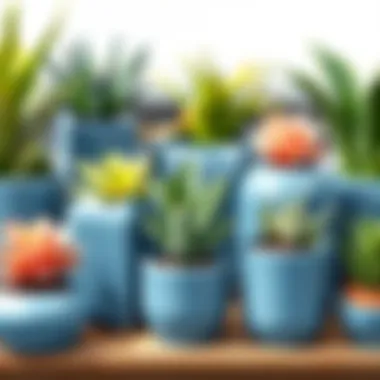
By following these simple yet effective practices, you can extend the lifespan of your small blue ceramic planter, allowing it to remain a cherished piece of decor and a healthy environment for your plants. Whether you’re using it for a quaint succulent or a bold fern, maintaining its condition is crucial for both its function and charm.
Cultural Significance
Understanding the cultural significance of the small blue ceramic planter enriches our appreciation for its role in aesthetics and functionality. For centuries, ceramics have been intertwined with human practices and beliefs. The blue element particularly resonates across various cultures, symbolizing not only beauty but also depth and serenity. In exploring these connections, one can appreciate how these planters transcend mere decoration, becoming vessels of cultural expression.
Symbolism in Various Cultures
Ceramic planters, especially those clad in a soothing blue glaze, carry a wealth of symbolism that varies around the globe. In many Eastern cultures, blue is considered a protective color. For instance, in Chinese tradition, blue represents immortality and potential, often associated with water and life itself. This gives the small blue ceramic planter a meaningful dimension, connecting the life of plants with cultural heritage and belief systems.
In contrast, in Western cultures, blue often evokes feelings of calmness and reliability. In decor, a small blue ceramic planter might symbolize stability and peace—qualities that many seek to embody in their homes. Furthermore, different shades of blue can suggest fresh starts or rejuvenation, making this particular planter a thoughtful addition to any space aiming for tranquility.
- Blue in Eastern cultures:
- Blue in Western cultures:
- Protective color in many traditions.
- Symbolizes water, life, and potential.
- Represents calmness and reliability.
- Connotes stability and peace in decor.
"Color is the keyboard, the eyes are the harmonies, the soul is the piano with many strings." —Wassily Kandinsky
Ceramic Planters in Art and Literature
Delving into art and literature, small blue ceramic planters appear as motifs that capture the imagination of artists and writers alike. They often serve as symbols of creativity or domesticity. For instance, in still-life paintings, these planters provide a pop of color, drawing attention to the beauty of nature when paired with vibrant flowers. Artists like Vincent van Gogh have famously showcased how simple objects can possess layers of meaning.
In literary contexts, they are frequently used as metaphors for nurturing relationships or personal growth. Writers may describe a small blue ceramic planter as a refuge for dreams, symbolizing the care needed to cultivate ambitions. This seamless interplay between ceramics and narrative prompts audiences to consider objects not just for their physical attributes but also for the stories they tell.
- Appearances in visual art:
- Significance in literature:
- Displayed as focal points in still-life compositions.
- Enhance the storytelling through color and form.
- Used metaphorically to explore themes of growth and care.
- Illustrate nurturing relationships or personal ambitions.
Understanding the cultural significance of the small blue ceramic planter opens doors to deeper appreciation and richer experiences. As one integrates these planters in their surroundings, they are also embracing a piece of cultural history that goes beyond mere aesthetics.
Market Trends and Consumer Preferences
Market trends play a pivotal role in the popularity and functional appeal of the small blue ceramic planter. Understanding these trends provides insight into how consumer tastes evolve, shaping the kinds of products that flourish in the home decor scene. As plants become a fundamental aspect of contemporary living spaces, aesthetics, sustainability, and functionality come to the forefront. That’s where the small blue ceramic planter, with its unique charm and ethos, captures the imaginations of many.
Current Popular Styles
When you look at the landscape of plant accessories, several styles stand out. These are closely aligned with broader design movements and consumer aspirations. The current popular styles include:
- Vintage-inspired designs: There’s a resurgence of items that hark back to antque looks, such as intricate floral patterns or distressed finishes that provide a nostalgic edge. These give a sense of history and warmth to modern spaces.
- Modern minimalism: Uncomplicated designs characterized by clean lines, smooth finishes, and subtle hues. This style appeals to a younger demographic seeking simplicity and elegance.
- Bold Statement Pieces: Some opt for planters that are larger and more expressive, adorned with striking prints or textures. They're designed to catch the eye and usually serve as focal points in room layouts.
- Eco-friendly options: Sustainable materials are increasingly sought after. Planters made from recycled ceramics or natural glazes resonate well with conscientious consumers.
“In today’s decor, style reflects not just taste, but values.”
This shift towards ethically sourced accessories often influences buying decisions, with many consumers now willing to pay a premium for products that align with their beliefs about the environment.
Consumer Demographics
Knowing who buys small blue ceramic planters is just as indispensable as recognizing their styles. Here’s a look at the demographics driving the market:
- Young Adults (Ages 25-35): Often cosmopolitan and trend-sensitive, this group maintains a strong online presence. They better connect with brands through platforms like Instagram, where visually stunning posts catch their attention.
- Middle-aged Homeowners (Ages 35-55): Typically seeking not just aesthetic appeal but durability and practicality, these consumers invest in decor that provides long-term satisfaction.
- Environmental Enthusiasts: Regardless of age, many consumers identify with a brand’s sustainability efforts. An increasing number of buyers are passionate about eco-friendly production processes, thus pushing brands to highlight such attributes.
- Interior Designers: Professionals looking to incorporate unique elements into their projects, appreciate the artistry and versatility of small blue ceramic planters. Their choices influence broader consumer patterns too.
In summary, gauging market trends and consumer preferences is fundamental for understanding the small blue ceramic planter's ongoing appeal. Through analyzing styles and demographics, the article sheds light on what makes this planter an essential feature in any decor narrative. With changing tastes, these planters continue to adapt, ensuring they remain at the forefront of modern home design choices.
Closure
In wrapping up our exploration of the small blue ceramic planter, it is essential to recognize why this understated item holds a significant place in both aesthetics and functionality in modern spaces. The planter does not merely serve as a vessel for your green treasures; it is also a statement piece, a conversation starter, and a reflection of personal style.
Summarizing Key Points
To better appreciate the allure of small blue ceramic planters, we've uncovered several key elements:
- Aesthetic Appeal: The vibrant blue hue combined with elegant ceramic craftsmanship makes these planters eye-catching. Their simple beauty enhances any décor, from contemporary interiors to rustic charm.
- Versatility in Use: Small blue ceramic planters are not limited to housing plants; they can be used for organizing smaller items in a workspace or as decorative holders for kitchen utensils.
- Cultural Significance: Across cultures, the symbolism attached to blue and ceramic materials adds a layer of depth, making them not just functional but also rich in meaning.
- Market Trends: The rising popularity of eco-conscious products has brought attention to sustainably produced ceramic planters. Many consumers now seek out artisans who prioritize environmentally friendly practices.
In light of these elements, it’s clear that the small blue ceramic planter is not just an ordinary item but embodies a confluence of style, practicality, and cultural narrative. This understanding lends depth to its appreciation as part of any curated space.
Future Outlook for Ceramic Planters
Looking ahead, the future for small blue ceramic planters seems promising. As society moves toward a more sustainable mindset, the demand for ethically sourced ceramic products is likely to rise. Here are some trends that might shape this future:
- Increased Interest in Artisanal Products: As consumers become more discerning, they are likely to prioritize artisanal products that emphasize skill and community connections over mass-produced items. This could lead to a resurgence in local pottery workshops and craft fairs.
- Customization and Personalization: The trend toward personalized home décor will probably influence ceramic planters, with customization options being more in demand. Imagine a planter that not only suits your aesthetic but also bears personal insignia or messages.
- Integration with Smart Technology: While it may seem futuristic, the incorporation of smart technology into pots—such as monitoring soil moisture or light exposure—could also be a factor in future design trends.
- Crossover with Art: As ceramic planters increasingly become canvases for artistic expression, collaborations between artists and manufacturers may flourish, resulting in unique, collectible pieces that are as much art as they are functional.