Smart Ceiling Lights: Enhancing Home Ambiance
Intro
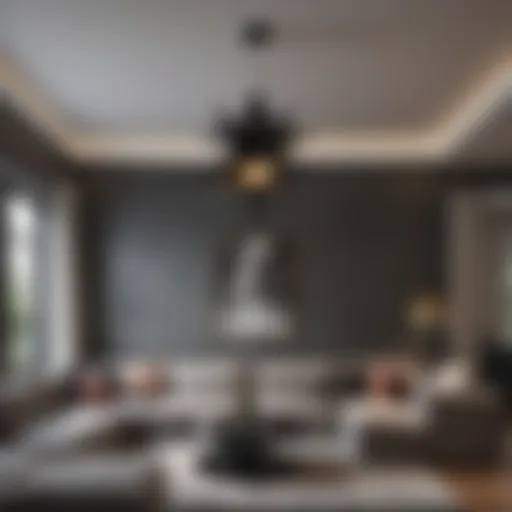
In recent years, smart ceiling lights have emerged as game changers in the world of interior design and home automation. These fixtures not only provide illumination but also enhance the overall ambiance of a space. With the ability to integrate seamlessly into smart home ecosystems, they offer more than mere lighting; they bring convenience, energy efficiency, and a modern touch that is hard to ignore.
The landscape of lighting is evolving rapidly, and understanding these trends is essential for homeowners, interior designers, and DIY enthusiasts alike. As technology marches on, smart ceiling lights incorporate functionalities that extend beyond the push of a button, embracing sensors, connectivity, and user-friendly interfaces. Consequently, this article will take a deep dive into smart ceiling lights, examining their features, benefits, applications, and future potential, ensuring readers are well-equipped to navigate this innovative domain.
From the nuances of installation and user experience to exploring the impact on interior aesthetics, we’ll cover it all in depth. Additionally, this guide will touch upon the increase in energy efficiency that accompanies the use of these lights—a crucial consideration for today's eco-conscious audience. The following sections will demonstrate how these modern fixtures are indeed reshaping our living environments in functional and stylish ways.
Prolusion to Smart Lighting Solutions
Smart lighting solutions have paved a new path in interior design and home automation. With the integration of technology into everyday life, ceiling lights are no longer mere fixtures but vital components contributing to the ambiance, efficiency, and function of our spaces. Exploring smart ceiling lights in this context is essential for homeowners, interior designers, and anyone interested in the trend of rising intelligent solutions in residential environments.
The significance of smart ceiling lights stretches beyond mere enhancement of illumination. These lights provide various functionalities tailored to individual preferences and lifestyle choices. By melding aesthetics with technology, smart ceiling lights can transform the otherwise mundane atmosphere of a room into something vibrant or soothing, depending on needs at any given moment.
Definition and Scope of Smart Ceiling Lights
Smart ceiling lights are advanced lighting fixtures that can be controlled via smartphone applications, voice commands, or integrated home automation systems. Unlike traditional ceiling lights, they offer features such as adjustable brightness, color temperature, and often include smart features that enable connection with other devices. This flexibility allows users to set the mood, enhance their daily routines, and contribute to energy savings.
The scope of smart ceiling lights includes not only their aesthetic value but also their energy-saving potential. They typically utilize LED technology, which is not just efficient but long-lasting. Moreover, smart ceiling lights can often be programmed to operate in sync with your daily routine, such as dimming during movie nights or brightening up in the morning to assist with waking up.
This sphere is constantly evolving as technology advances. For instance, new models frequently introduce emerging capabilities like adaptive lighting that responds to natural light levels. Understanding the full definition and scope of these lights helps consumers make informed choices that fit their lifestyle and home design.
Historical Context of Lighting Technology
Before diving into the modern world of smart ceiling lights, it’s crucial to consider how far we've come. Looking back, the evolution of lighting technology reflects broader changes in society. From the invention of the incandescent bulb by Thomas Edison in the late 19th century to the widespread use of fluorescent lighting in the mid-20th century, each stage represented a significant leap in efficiency and design.
By the turn of the 21st century, the advent of LED technology marked another paradigm shift. LEDs provided a longer lifespan, reduced energy consumption, and enhanced versatility in design. This is where the roots of smart ceiling lights began. As technology progressed, the rise of the Internet of Things (IoT) opened the door for integration, allowing light fixtures to communicate with other devices and adapt to user preferences. This historical backdrop is invaluable in appreciating the significance of smart ceiling lights today.
As we stand at the intersection of technology and interior design, understanding this transformative history lays the foundation for exploring contemporary solutions.
Technology Behind Smart Ceiling Lights
Understanding the technology behind smart ceiling lights is crucial in navigating the contemporary landscape of home lighting solutions. These advanced fixtures signify a step forward not just in aesthetics, but in how we engage with our living spaces. The embrace of smart lighting technology reflects evolving consumer demands for convenience, cost-effectiveness, and personalization in home environments. The integration with modern home automation systems enables a seamless transition from mere illumination to complete smart home ecosystems. By grasping these technologies, homeowners can significantly enhance their lighting experience.
Integration with Home Automation Systems
Smart ceiling lights operate best when integrated into broader home automation systems. This ensures not only basic functionality—like switching on or off—but also allows for intricate scenarios that enhance daily living. For instance, with the integration of systems like Amazon Alexa or Google Home, users can control their lights simply using their voice. Imagine walking into your home after a long day and having the lights illuminate automatically based on your presence, without lifting a finger.
A few key advantages of this integration include:
- Centralized Control: Managing lighting through a single app brings a level of convenience unimaginable with traditional lighting.
- Customization: Users can set routines that correspond to their schedules, such as dimming lights at bedtime or brightening them during the day.
- Remote Access: Control your ceiling lights from anywhere using a smartphone. This is particularly useful for security purposes, such as simulating occupancy while away on vacation.
Control Mechanisms: Apps and Voice Commands
The control mechanisms of smart ceiling lights reveal a blend of simplicity and sophistication. Users now have the convenience of adjusting their lighting via mobile applications or through voice commands. Applications typically come equipped with an array of features, allowing for fine-tuned control over brightness levels, color temperatures, and even the creation of diverse lighting scenes, perfect for accommodating different moods or activities.
Voice commands take this convenience a step further. With smart assistants like Siri or Google Assistant, commands can be as straightforward as "dim the lights in the living room" or "set the kitchen lights to a warm tone." This hands-free control is especially appealing for those busy cooking, entertaining, or multitasking. The compatibility with multiple smart home brands signals a shift where technology doesn’t just serve a solitary purpose, but rather enhances the everyday life of users.
Types of Smart Ceiling Lights and Their Functions
When exploring the diverse world of smart ceiling lights, it helps to categorize them based on their designs and functionalities. Different types exist to suit varied needs and tastes:
- Smart LED Panels: Providing a sleek, modern touch with efficient energy use, these lights are ideal for homes that prioritize contemporary aesthetics.
- Smart Chandelier Lights: Bringing elegance to a space, they offer adjustable brightness and color to adapt to different atmospheres.
- Recessed Smart Lighting: These fixtures are designed to blend seamlessly into ceilings, providing a minimalist approach to lighting while maximizing space utility.
- Smart Flush Mounts: Suited for lower ceilings, they offer powerful lighting without sacrificing design.
Each of these types comes with specific features, such as adjustable color temperatures, energy-saving modes, and alerts for maintenance that reflect the trend towards smart living. This variety makes it easier for homeowners to find solutions that fit both their practical needs and style preferences.
"Incorporating smart technology in home lighting is not just about illumination; it's about enriching the living experience."
Benefits of Smart Ceiling Lights
Smart ceiling lights are not just a passing fad in home improvement; they are a quintessential aspect of modern interior design that brings numerous advantages to the table. From homeowners looking to optimize their living space to decorators aiming for a seamless blend of functionality and aesthetics, the benefits of smart ceiling lights are manifold and well worth exploring.
Energy Efficiency and Cost Savings
The rising awareness about environmental sustainability has put energy consumption under the microscope. Smart ceiling lights are engineered for energy efficiency, significantly reducing electricity usage compared to traditional incandescent or even fluorescent lights. By adopting LED technology, many smart lights consume far less power, which translates to lower energy bills. For instance, if a homeowner replaces old bulbs with smart LEDs, they could save anywhere from 25% to 80% in energy costs.
Moreover, many smart ceiling lights come equipped with sensors that adjust brightness based on daylight availability. This feature not only cuts down energy usage but extends the life of the bulbs, providing a two-for-one benefit. Customers can also take comfort in the fact that most smart lights include features that allow for scheduling or automation, turning off lights when they’re not needed. This technology practically takes the guesswork out of daily routines, ensuring that lights aren’t left burning through the night and lightening the load on both household budgets and the environment.
Enhanced Lighting Flexibility
"Different strokes for different folks" rings true when it comes to lighting needs. Flexibility in lighting is paramount, especially in multi-functional spaces. Smart ceiling lights offer unparalleled customization, allowing homeowners to adjust brightness levels and color temperatures to suit specific activities or moods.
For instance, a living room could shift from bright white light to a softer, warmer hue during movie night, creating an entirely different ambiance. This adaptability makes smart ceiling lights particularly appealing for homes with an open floor plan, where one fixture can serve multiple purposes throughout the day. The convenience of controlling lighting with a smartphone app or a voice command further enhances this flexibility, a far cry from the cumbersome traditional switch.
Impact on Mood and Well-being
Lighting can substantially influence one’s mood, with studies showing that different temperatures and intensities can evoke various emotional responses. Bright white light can enhance focus and productivity, making smart ceiling lights particularly effective in home office settings. Conversely, softer, warm lighting contributes to relaxation, ideal for winding down in the evening.
"The right lighting can be the difference between a space that feels alive and one that feels lifeless."
Smart ceiling lights provide the unique ability to tailor these settings to individual preferences. For those who work varying shifts or have different daily rhythms, such adaptability can drastically improve quality of life. In family settings, parents can help signal bedtime by transitioning lights, making it easier for children to understand the cues for winding down. This holistic approach to lighting offers more than just illumination; it embraces well-being as an essential part of modern living.
In summary, integrating smart ceiling lights into a home addresses concerns around energy efficiency, allows for flexible adaptations to light settings, and promotes overall well-being. Whether you are a homeowner, an interior designer, or just someone looking to enhance your living space, the multifaceted benefits offered by smart ceiling lights can profoundly transform your environment.
Selecting Smart Ceiling Lights
Choosing the right smart ceiling light is pivotal for both aesthetics and functionality in your home. This choice isn’t just about picking a light that looks good; it goes far beyond that. The smart lighting market is saturated with options that cater to various needs, making it essential to understand what features align with your personal preferences and lifestyle. Considering elements such as brightness, color temperature, and compatibility with existing smart home systems can save time and enhance user experience significantly.
Key Features to Consider
Brightness Levels
Brightness levels play a crucial role in the overall ambiance of a room. Most smart ceiling lights offer a range of brightness settings, allowing users to customize their lighting according to mood or occasion. For instance, if you’re hosting a dinner party, a softer light can create a warm and inviting atmosphere. In contrast, bright light is suitable for activities requiring focus, like reading or crafting. A notable characteristic of brightness levels in these lights is the dimming capability, which provides flexibility. The unique feature here is that some smart lights can achieve 3000 lumens or more, making them ideal for various tasks without straining the eyes. However, it's important to note that not all fixtures will distribute light evenly; therefore, testing them in your space can be beneficial.
Color Temperature Options
Color temperature is another significant aspect of smart ceiling lights. It describes the color appearance of the lamp, measured in Kelvins (K). Typically, a lower Kelvin rating yields warm light (around 2700K), while higher ratings provide cooler, daylight-like illumination (up to 6500K). This feature is popular as it can profoundly affect the atmosphere of a room. A unique advantage is the ability to transition from a cozy glow to a bright, energizing light depending on the time of day or activity, promoting creativity or relaxation. Conversely, one disadvantage might be that some cheaper models don't render colors accurately, which can be problematic in spaces like kitchens where color distinction is essential.
Smart Home Compatibility
When it comes to smart living, compatibility with existing smart home ecosystems is critical. Many smart ceiling lights seamlessly integrate with systems like Google Home, Amazon Alexa, or Apple HomeKit. This compatibility allows users to control their lights with voice commands or through smartphone apps. It's a game-changer for users who prioritize accessibility and convenience. The key characteristic is the level of control; one can schedule lights to turn on or off, change colors, or even sync with music or movies. Yet, one must be cautious as some brands offer limited compatibility, which can be frustrating if you intend to expand your home’s smart ecosystem.
Material and Design Factors
The choice of materials affects both the aesthetic appeal and durability of smart ceiling lights. Light fixtures made from high-quality metals or plastics are often more resilient and can withstand wear while maintaining their appearance over time. In terms of design, whether contemporary, vintage, or minimalist, the style should complement the existing decor. Uniquely designed fixtures can also serve as focal points, enhancing visual interest in a room.
Comparative Analysis of Popular Brands

When selecting smart ceiling lights, considering various brands is beneficial. Brands like Philips Hue, LIFX, and Yeelight each bring their own strengths to the table. Philips Hue is renowned for its extensive range and compatibility, while LIFX shines with vibrant colors and no hub needed for setup. Yeelight, on the other hand, is often favored for its budget-friendliness without compromising on features. Examining user reviews and performance data can further assist in deciding which brand fits your specific needs best to ensure satisfactory investment in your lighting.
Installation Process of Smart Ceiling Lights
The process of installing smart ceiling lights is a crucial aspect covered in this article, as it underscores not only the practicality of incorporating new lighting technology into homes but also highlights considerations that can influence the final experience. Knowing how to install these fixtures correctly can make all the difference in their performance and longevity.
Professional vs. DIY Installation
When considering installation options for smart ceiling lights, homeowners often grapple with the choice of hiring a professional versus embarking on a do-it-yourself (DIY) project.
Professional Installation offers a sense of assurance; experts are trained to handle intricate electrical systems and ensure that everything is up to code. This is particularly relevant when dealing with electrical wiring that may be older or less familiar to the average homeowner. Hiring an electrician can also be beneficial if unforeseen issues arise during installation, as they have the expertise to troubleshoot problems on-the-spot.
On the flip side, DIY Installation appeals to those who relish the idea of taking matters into their own hands. It’s often perceived as a cost-saving approach, and many smart ceiling lights come with foolproof instructions that make it straightforward. Additionally, doing it yourself can offer a sense of accomplishment. But, taking the DIY route requires a level of comfort with tools and basic electrical principles. For those lacking in these areas, it could quickly turn into a headache instead.
Tools and Preparation Needed
Proper tools and preparation can make the installation process smoother than a hot knife through butter. Understanding what you need ahead of time can save significant frustration. Having an adequate toolkit is half the battle won.
Essential Tools:
- Screwdrivers: Both Philips and flat-head varieties are typically necessary.
- Wire Strippers and Cutters: These are recommendations for proper handling of electrical wires.
- Voltage Tester: A crucial tool for ensuring that power is off before starting work.
- Drill: Useful for creating mounting holes if needed.
- Ladder: Ensures easy access to ceilings, especially for higher installations.
Preparation Steps:
- Read Instructions: Familiarize yourself with the installation manual that comes with the light fixture.
- Turn Off Power: Before touching any wiring, turn off the electricity at the circuit breaker. This ensures safety while working.
- Gather Materials: Aside from tools, check if additional materials like wire nuts or special connectors are required.
- Clear the Area: Ensure you have a clean workspace free of debris to prevent accidents.
Completing these steps will greatly enhance the efficiency of the installation process.
Common Installation Challenges
Even seasoned handymen might face challenges when installing smart ceiling lights. Being aware of potential issues can help troubleshoot effectively when they arise.
Here are a few common hurdles:
- Compatibility Issues: Not every smart ceiling light is compatible with all types of home systems. Research ahead to avoid any surprises.
- Wiring Concerns: Older homes may have outdated wiring that does not meet the requirements for modern fixtures, leading to potential modifications.
- Physical Restrictions: High ceilings or fixtures in awkward places can make installation burdensome.
- App Connectivity: After physical installation, getting the light connected to the required apps can pose a learning curve. Not all users are tech-savvy.
Being prepped for these common challenges and knowing how to address them can ensure that the installation experience is smooth and successful.
“Installation might seem something anyone can do, but it’s better to be adequately prepared than to wing it!”
In the end, whether one opts to install smart ceiling lights professionally or through their own efforts, understanding the process enhances satisfaction and usability.
User Experience with Smart Ceiling Lights
The user experience is a fundamental element that defines the overall effectiveness of smart ceiling lights in contemporary living spaces. When we discuss this topic, it encompasses much more than just the functionality of the light fixtures. It weaves together how users interact with their lights, the level of customization available, and the anticipated evolution of these systems. Understanding user experience casts a spotlight on how smart ceiling lights can influence daily life, ultimately contributing to comfortable, efficient, and aesthetically pleasing environments.
User Interfaces: Ease of Use
First off, let’s tackle user interfaces. The ease of use of smart ceiling lights can greatly affect how often they are utilized. A complex interface can lead to frustration, while a straightforward one fosters satisfaction. Most smart ceiling lights connect through apps that are typically available on both Android and iOS platforms. This means that a user should find intuitive navigation, quick setup, and seamless transitions between different settings.
For instance, consider how users might set the mood for an intimate dinner or a lively gathering without fumbling through a complicated process. With simple sliders for brightness and swift color changes at their fingertips, users can adapt their lighting to suit the occasion. Additionally, voice-control integration through systems like Google Assistant or Amazon Alexa has added another layer of convenience, allowing for quick adjustments without the need to pull out a smartphone. This ease of interaction is not just a luxury, it’s becoming a basic expectation in smart home technology.
Personalization Options

Next up is personalization, and it's truly the secret sauce that enhances user experience. Smart ceiling lights today come with a plethora of personalization options designed to cater to individual lifestyles and preferences. For the discerning homeowner, the ability to define specific lighting scenarios, such as "movie night" or "wake up mode," can be incredibly appealing.
Moreover, color temperature and luminosity customization lets users create atmospheres that best suit their moods. In children’s rooms, for instance, softer lighting may be preferred for bedtime, while brighter and cooler tones can stimulate focus during homework time. The best systems also support programmable schedules, which allows lights to gradually increase in brightness in the morning, mimicking a sunrise—a lovely touch that can make waking up more pleasant.
Future Developments in User Interaction
Finally, let’s peek into the crystal ball and glimpse future developments in user interaction. As technology races forward, we can expect even more intuitive interfaces powered by machine learning. Imagine smart ceiling lights that anticipate your preferences based on behavior patterns—automatically adjusting lumens and color based on the time or even the season.
The integration of augmented reality (AR) features may soon allow users to visualize and manipulate their lighting settings in a more immersive manner. This could include features like projecting light patterns on walls through the app, or “trying out” different color settings in real-time directly in one’s living space. The future promises not only enhanced utility but also a more engaging user experience.
The user experience of smart ceiling lights is not just about illumination; it's about creating an environment where every flick of a switch feels intuitive and every change in scenery feels personal.
For more insights on smart lighting solutions, you can explore resources like Wikipedia, or check discussions on Reddit.
Consider also visiting Energy.gov, a useful site for understanding energy-efficient options.
In this ongoing exploration of smart ceiling lights, it's clear that user experience serves as a pivotal foundation for innovation and satisfaction.
Environmental Considerations
When it comes to the use of smart ceiling lights, the conversations surrounding environmental considerations cannot be neglected. This topic plays a pivotal role in today’s discourse on sustainability, particularly in the arena of home automation. With increasing awareness of environmental issues, it's essential to examine how smart lighting can either contribute to or detract from our efforts to create a more sustainable future.
Sustainability of Smart Lighting
Smart lighting systems are designed with sustainability in mind, aiming to reduce energy consumption and carbon footprints. One of the standout features is their adaptability. Smart ceiling lights can be programmed to turn off or dim when no one is in the room, drastically minimizing energy waste. As a matter of fact, studies show that automating lighting can yield energy savings of up to 30% compared to traditional systems. Imagine being able to enjoy your space without worrying about skyrocketing energy bills, all while doing your part for the planet.
But sustainability is not just about energy savings. Some smart lights harness LED technology, which is not only more efficient but also lasts longer than traditional incandescent bulbs. This longevity means fewer replacements over time, thereby reducing overall waste. The ability to control color temperature also allows homeowners to tailor their lighting to match their daily activities—bright for work, soft for relaxation. This level of control can lead to less excessive usage, contributing to a more environmentally friendly ecosystem.
Recycling and Disposal of Smart Lights
As with any technology, issues arise when it comes to the life cycle of smart ceiling lights. While the benefits are clear, the question of their disposal must be addressed. LED and electronic components can be hazardous if improperly disposed of. Thus, understanding how to recycle these materials effectively is crucial for eco-conscious consumers.
Many manufacturers and retailers have begun to take responsibility for their products by providing options for recycling. For instance, brands such as Philips offer take-back programs that allow users to return outdated fixtures for responsible recycling. This not only alleviates some of the burdens off local landfills but also closes the loop on product life cycles. Homeowners should look for local recycling events or locations that accept electronic waste.
Another point to note is that excessive electronic waste, including smart lights, is becoming a significant environmental concern. According to the 2020 Global E-Waste Monitor, roughly 50 million metric tons of e-waste is generated annually, with a very small percentage being effectively recycled. Therefore, when investing in smart ceiling lights, awareness and consideration of the end of their life cycle is just as critical as their initial benefits.
"The future of lighting doesn't just illuminate our homes, but also paves the way towards sustainable living."
For more insights on sustainability and electronic waste management, check out resources from the Environmental Protection Agency and European Commission's Waste Electrical and Electronic Equipment.
In summary, as we stand on the cusp of a smart lighting revolution, let’s not forget the environmental ramifications of our choices. Smart ceiling lights should not only enhance our spaces but also respect the planet we inhabit.
Finale: The Future of Smart Ceiling Lighting
As we stand on the brink of continued innovation in lighting technology, the evolution of smart ceiling lights holds remarkable potential. The advancements in this field are not just about enhancing the light in our homes but also reshaping the entire atmosphere of our living spaces. Understanding the future of smart ceiling lights allows interior designers, homeowners, retailers, decorators, and DIY enthusiasts to make informed decisions that influence both aesthetics and functionality in their environments.
Trends Influencing the Market
Several trends are currently steering the market for smart ceiling lights toward a more integrated and user-friendly future:
- Increased Demand for Customization: Many consumers now seek personalized lighting experiences that can adapt to their moods or specific activities. This shift encourages manufacturers to create more customizable options, such as adjustable color temperatures and brightness settings.
- Integration with AI and IoT: Businesses are focusing more on integrating artificial intelligence and the Internet of Things (IoT) with smart lighting systems. This allows users to manage their lighting through voice commands or automation routines, further enhancing the user experience.
- Sustainability as a Priority: Consumers are becoming increasingly environmentally conscious, prompting brands to adopt sustainable practices. This includes using materials that are easily recyclable or biodegradable, and creating energy-efficient products that align with green living.
- Enhanced Aesthetic Appeal: Designers are recognizing that smart lights should not only be functional but also contribute to the overall beauty of a space. This trend has led to more creative designs and finishes that blend seamlessly with various interior styles.
"Future designs will redefine the boundaries of lighting, merging functionality with artful expressions that transform any space into an experience."
Long-term Implications for Home Design
The impact of smart ceiling lights on home design extends far beyond mere illumination. They influence how spaces are utilized and how people interact with their environments. Here are some long-term implications:
- Holistic Design Approach: As lighting becomes a crucial component of home automation, architects and designers will adopt a more holistic approach to interior design. The interplay of light, color, and materials will be carefully considered, ensuring that all aspects work together harmoniously.
- Focus on Wellness: Smart lighting has profound effects on health and well-being. Variability in lighting can align with natural circadian rhythms, promoting better sleep patterns or enhancing productivity in workspaces. Homes designed with this awareness will create healthier living environments.
- Adaptability to Emerging Technologies: Future developments in technology will require homes to be adaptable. Smart ceiling lights, integrated with other smart systems such as climate control and security, will become a standard consideration in design plans, making homes more versatile.
- Foundation for Smart Homes: As smart ceiling lights often function as the backbone of smart home technologies, their installation may become foundational in new builds and renovations, altering how homes are conceptualized and constructed.